
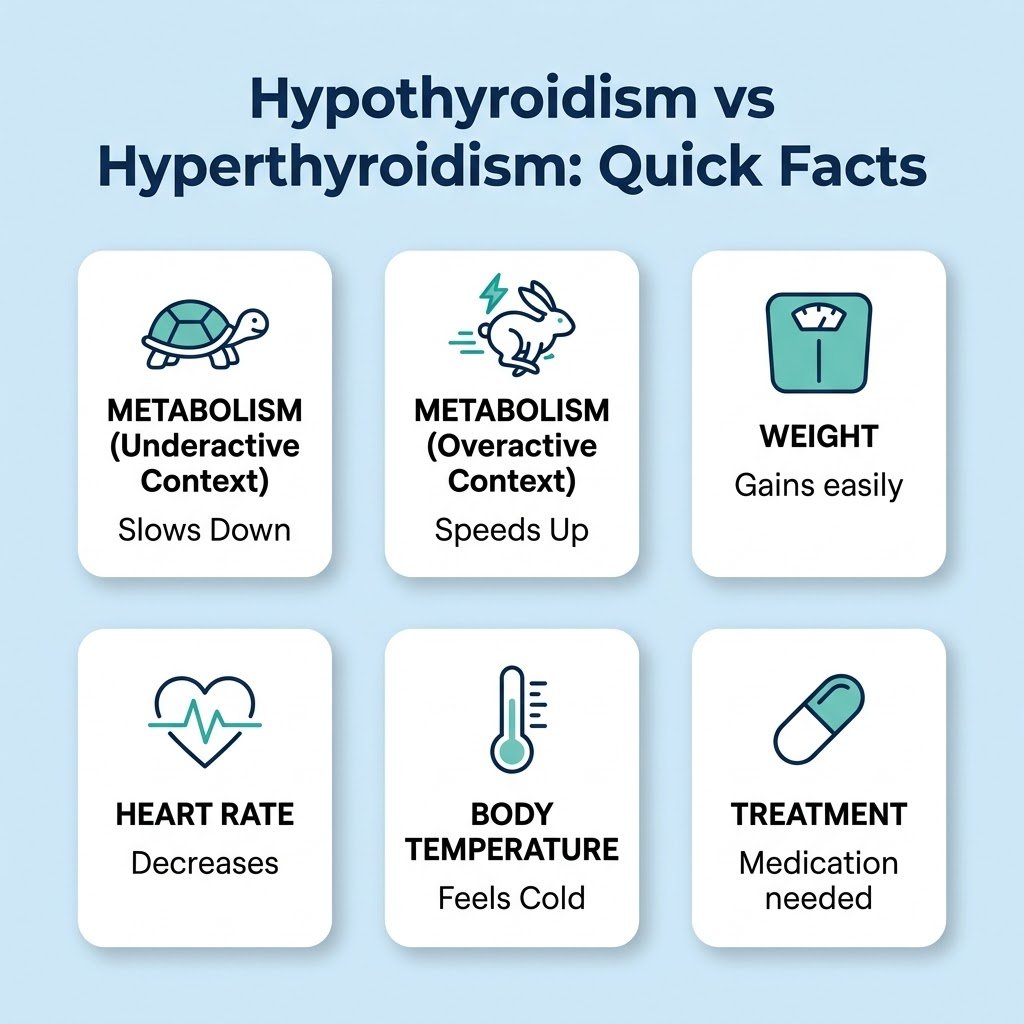
📌 Quick Summary
| Aspect | Hypothyroidism | Hyperthyroidism |
|---|---|---|
| Meaning | Underactive thyroid | Overactive thyroid |
| Hormones | Low T3/T4, High TSH | High T3/T4, Low TSH |
| Metabolism | Slows down | Speeds up |
| Weight | Gain | Loss |
| Common Cause | Hashimoto’s disease | Graves’ disease |
| Treatment | Levothyroxine (daily, lifelong) | Anti-thyroid drugs / Radioactive iodine (RAI) |
What Is the Difference Between Hypothyroidism and Hyperthyroidism?
The main difference is simple:
- Hypothyroidism = thyroid produces too little hormone → body slows down
- Hyperthyroidism = thyroid produces too much hormone → body speeds up
Even though both affect the same butterfly-shaped gland at the base of your neck, their symptoms, treatment, and risks are almost completely opposite. Understanding which one you might have starts with knowing what the thyroid actually does — see our guide on What Is Thyroid? Symptoms, Causes, Types & When To Get Tested for the basics.
💊 Need Medicines or Lab Tests?
✔ Compare prices from multiple platforms ✔ Get best discounts ✔ Book lab tests from home
👉 WhatsApp Now: +91 9347968950
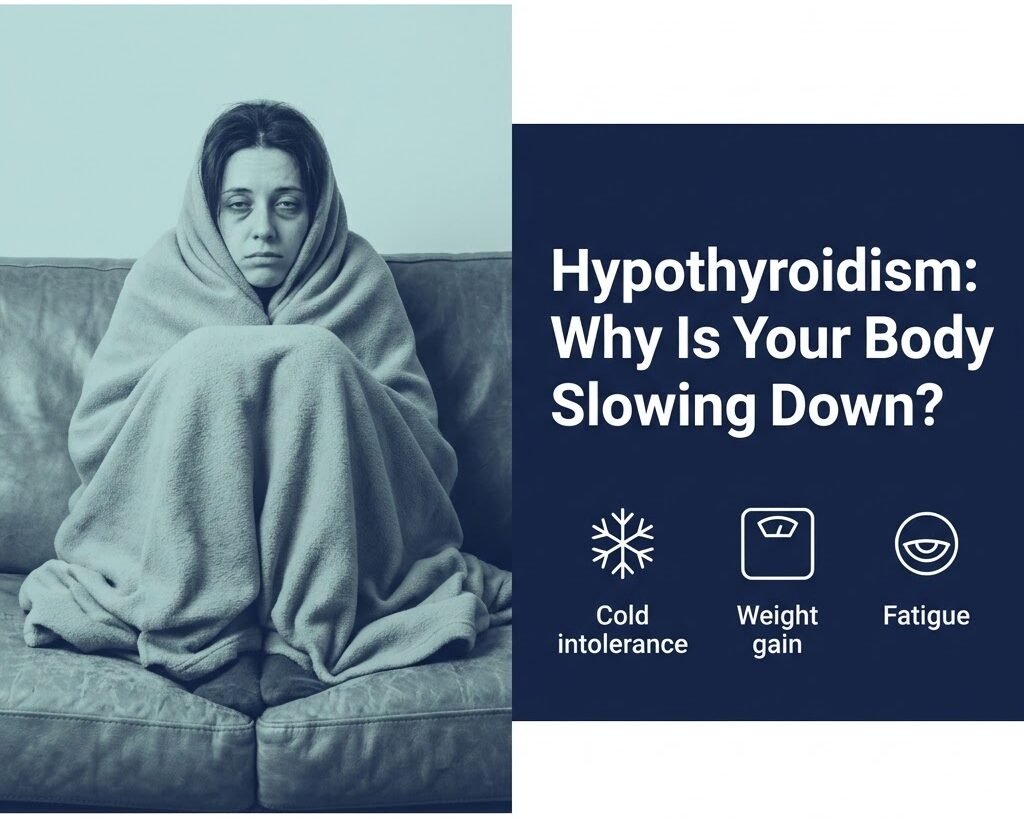
What Is Hypothyroidism?
Hypothyroidism is a condition where the thyroid gland does not produce enough hormones (T3 and T4), leading to a slow metabolism. It’s the more common of the two thyroid disorders, especially in Indian women.
Common Causes
- Hashimoto’s thyroiditis (most common) — an autoimmune condition where the immune system attacks the thyroid gland
- Iodine deficiency — still relevant in parts of India despite decades of salt-iodisation efforts
- Thyroid surgery or radiation (including radioactive iodine treatment for a previous hyperthyroidism)
- Certain medicines (e.g., lithium)
- Pituitary gland disorders (rare —the pituitary signals the thyroid via TSH)
Who Is at Risk?
- Women, especially age 30+
- Post-pregnancy women
- People with a family history of autoimmune or thyroid disorders
What Is Hyperthyroidism?
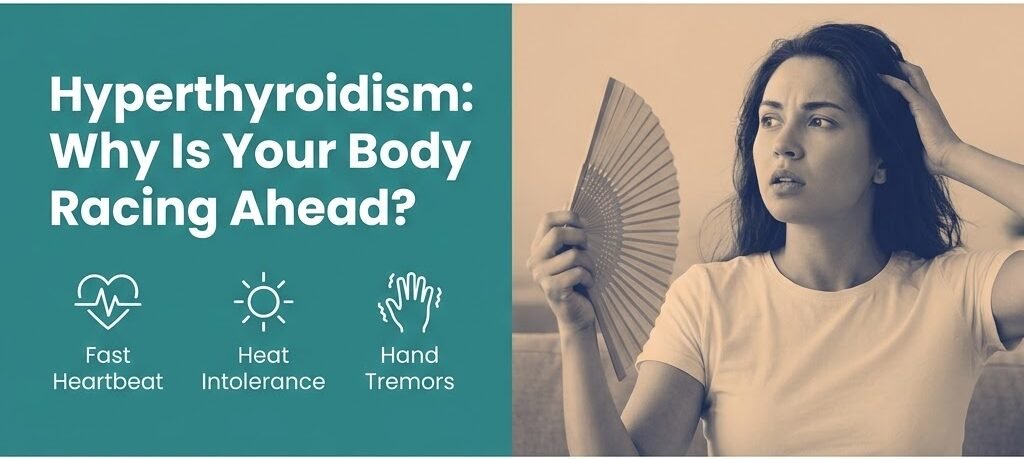
Hyperthyroidism occurs when the thyroid produces excess hormones, causing the body to function too fast — the opposite problem to hypothyroidism.
Common Causes
- Graves’ disease (most common) — an autoimmune disorder where antibodies overstimulate the thyroid
- Thyroid nodules that become overactive
- Thyroid inflammation (thyroiditis)
- Excess iodine intake (rare, usually only if the thyroid already has an underlying issue)
Who Is at Risk?
- Women aged 20–40
- People with a family history of thyroid disease (Graves’ disease tends to run in families)
Symptoms: Hypothyroidism vs Hyperthyroidism
| Symptom | Hypothyroidism | Hyperthyroidism |
|---|---|---|
| Weight | Gain | Loss |
| Energy | Fatigue | Restlessness |
| Heart | Slow heart rate | Fast heart rate / palpitations |
| Temperature | Cold intolerance | Heat intolerance |
| Digestion | Constipation | Loose motions |
| Mood | Low mood | Anxiety, irritability |
| Sleep | Excess sleep, sluggishness | Insomnia |
| Hair | Hair fall, dry hair | Thin, brittle hair |
| Hands | Cold hands | Tremors, shaky hands |
| Neck | May show a goitre (swelling) | May show a goitre (swelling) |
👉 Tip: If you have 3 or more of these symptoms together, don’t guess — get a thyroid test.
Thyroid Test: Understanding TSH, T3, T4
A thyroid blood test (thyroid profile) usually includes:
- TSH (Thyroid Stimulating Hormone)
- Free T3
- Free T4
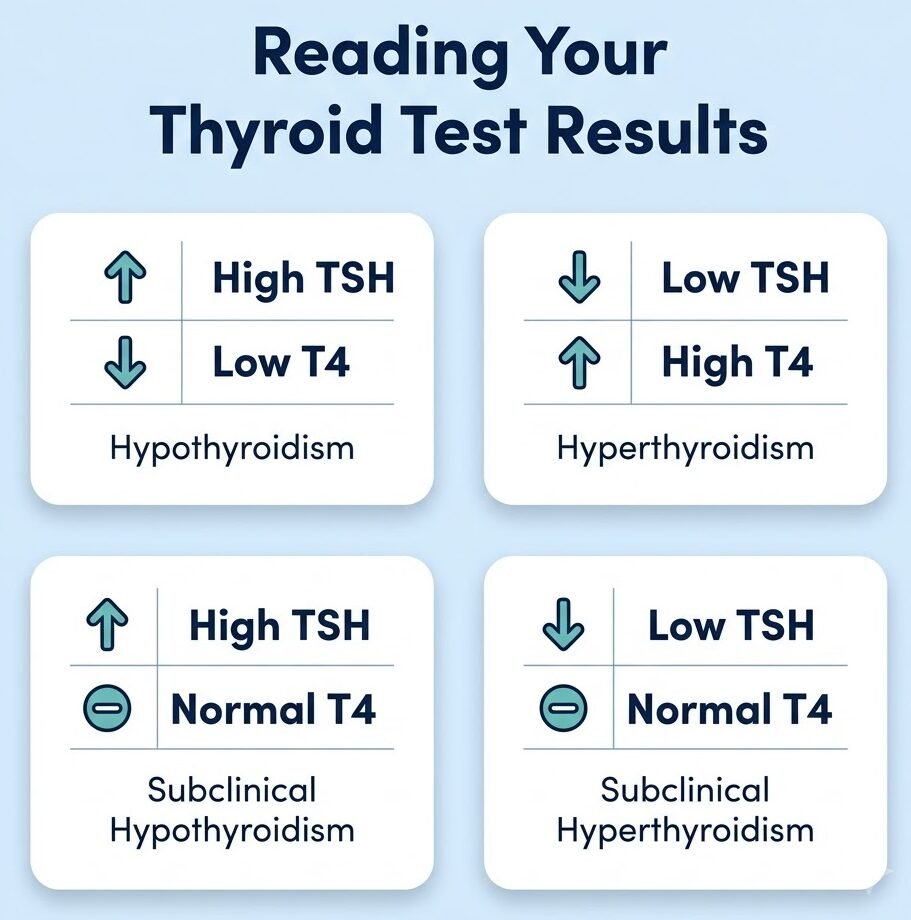
Test Interpretation
| Result | Meaning |
|---|---|
| High TSH + Low T4 | Hypothyroidism |
| Low TSH + High T4 | Hyperthyroidism |
| High TSH + Normal T4 | Subclinical hypothyroidism |
| Low TSH + Normal T4 | Subclinical hyperthyroidism |
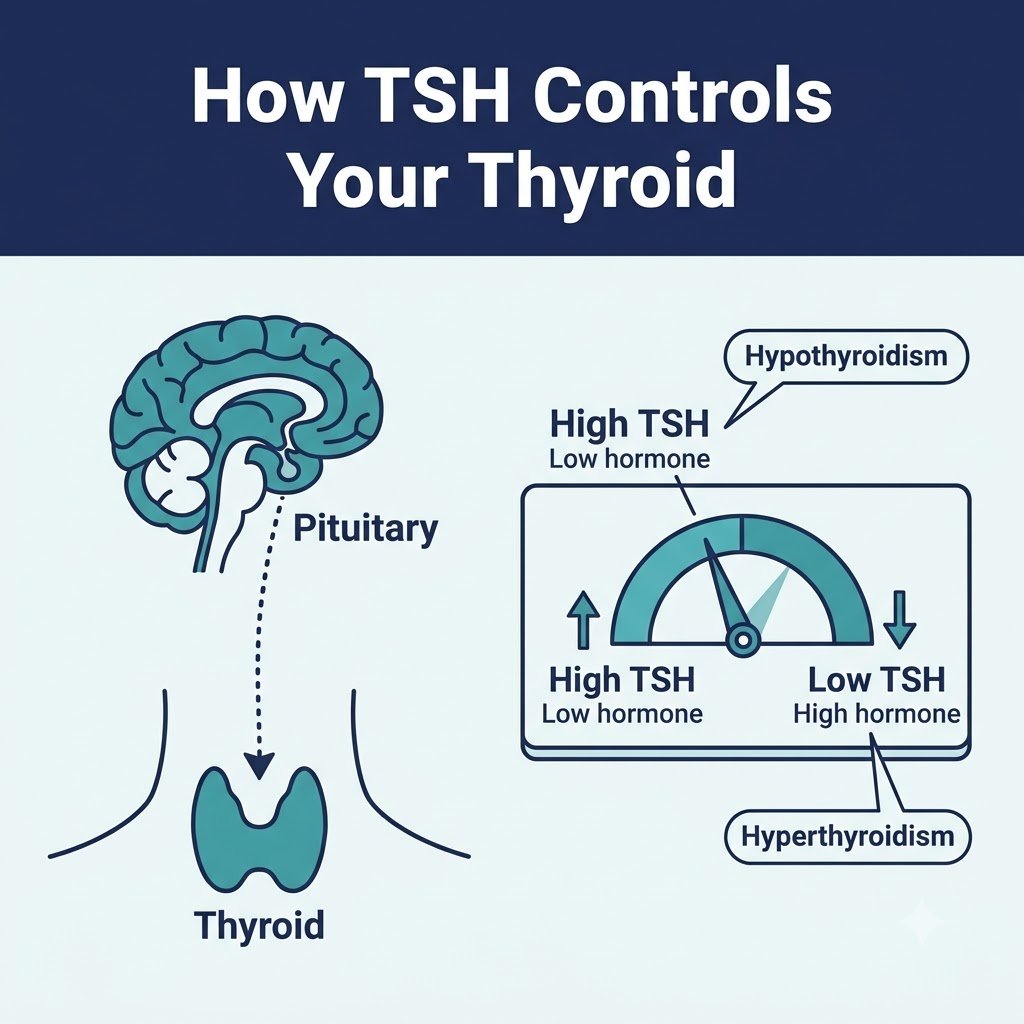
👉 TSH works like a thermostat for your thyroid:
- High TSH = the pituitary gland is asking the thyroid for more hormone (because levels are low)
- Low TSH = the pituitary is trying to slow the thyroid down (because levels are already high)
🧪 Book Thyroid Test Online (India)
Get an accurate diagnosis with a Thyroid Profile (TSH, T3, T4).
✅ Home sample collection ✅ Affordable pricing ✅ Doctor guidance available
👉 Order via HealthPartner India (Tata 1mg Health Partner) 📲 WhatsApp: +91 9347968950
Prefer to compare options first? You can also check the Thyroid Profile Test (T3, T4, TSH) on PharmEasy — but for the best price match, home-collection scheduling, and doctor guidance in one place, WhatsApp us directly.
Treatment: What Works?
Hypothyroidism Treatment
- Daily Levothyroxine tablet (synthetic thyroid hormone)
- Lifelong management in most cases
- Regular TSH monitoring — typically every 6–8 weeks after a dose change, then annually once stable
Hyperthyroidism Treatment
- Anti-thyroid medicines (Carbimazole, Methimazole)
- Radioactive iodine (RAI) therapy
- Surgery (thyroidectomy) in select or severe cases
- Beta blockers to control symptoms like a racing heart or tremors while the underlying cause is treated
⚠️ Never self-medicate — dosage mistakes with thyroid medicine are common and can be risky, whether the tablet is being under- or over-taken.
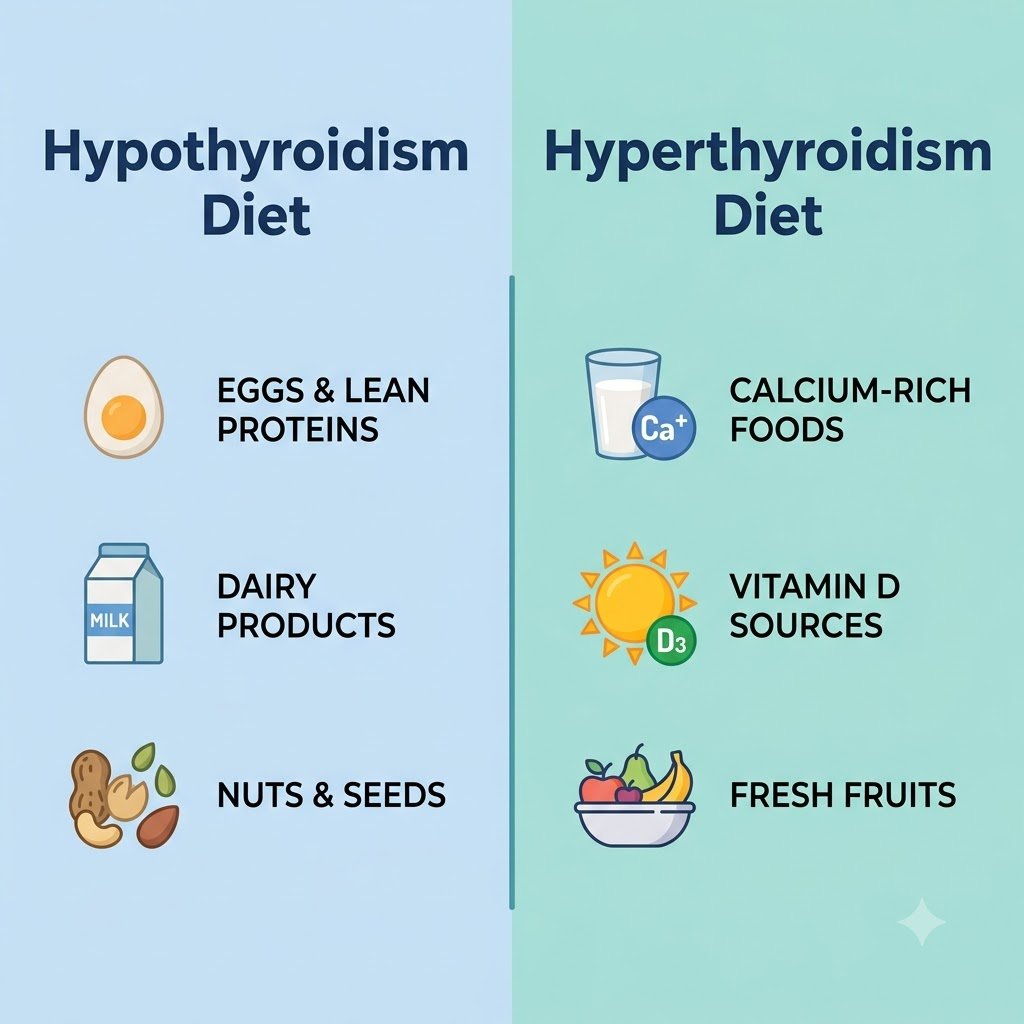
Diet Guide for Thyroid Patients
For Hypothyroidism
Eat:
- Iodised salt
- Eggs, dairy
- Selenium-rich foods (nuts, seeds)
Avoid / space out:
- Excess raw cabbage, broccoli, and other raw cruciferous vegetables in large amounts
- Taking thyroid medicine together with coffee, iron, or calcium supplements (space these by at least 4 hours)
For Hyperthyroidism
Eat:
- Calcium-rich foods
- Vitamin D–rich foods (see our Vitamin D Deficiency guide if levels also need checking)
- Fruits and antioxidant-rich foods
Limit:
- Iodine-rich foods (like seaweed)
- Caffeine
Thyroid Problems in Women
Thyroid disorders are frequently misdiagnosed as stress or general hormonal imbalance, especially in Indian women juggling multiple demands.
Watch for:
- Irregular periods
- Unusual hair fall
- Unexplained weight changes
- Persistent fatigue
👉 Thyroid issues are very common in Indian women — don’t ignore early signs. If fatigue is a leading symptom, it’s also worth ruling out iron deficiency — see our Iron Deficiency Anemia guide.
Thyroid During Pregnancy
Thyroid hormones are critical for the baby’s brain development, which is why thyroid screening is often recommended during pregnancy.
- Untreated hypothyroidism in pregnancy → risk of developmental delays in the baby, and complications like premature birth
- Untreated hyperthyroidism in pregnancy → risk of pregnancy complications including high blood pressure and low birth weight
✔️ Always get thyroid levels monitored during pregnancy, on your doctor’s advice.
Can You Have Both Conditions?
Yes — in rare cases:
- Thyroiditis can cause a hyper → hypo phase, where the thyroid first leaks excess hormone and then becomes underactive as it’s damaged
- Overdose of hypothyroidism medication can push levels into a hyperthyroid range
👉 That’s why regular testing — not just a one-time check — is important once you’re on treatment.
When Should You See a Doctor?
Get tested if you have:
- Unexplained weight gain or loss
- Constant fatigue or anxiety
- Hair fall or unusually dry skin
- Heart palpitations
- Neck swelling (goitre)
FAQs
1. Which is more common in India? 👉 Hypothyroidism is more common, especially in women, and iodine deficiency remains a contributing factor in several regions.
2. Which is more dangerous? 👉 Both can become serious if left untreated. Hypothyroidism raises cardiovascular risk over time; hyperthyroidism can cause heart rhythm problems and bone loss if unmanaged.
3. Can thyroid disease be cured? 👉 Hypothyroidism is usually managed lifelong with medication. Hyperthyroidism is sometimes reversible, depending on the cause and treatment used.
4. What TSH level is considered abnormal? 👉 A high TSH usually points to hypothyroidism; a low TSH usually points to hyperthyroidism. Your lab’s specific reference range should be used to interpret your result — always review it with a doctor.
5. Can thyroid problems cause weight changes even with no change in diet? 👉 Yes. Hypothyroidism can cause weight gain and hyperthyroidism can cause weight loss even without any change in eating habits, because thyroid hormone directly controls metabolic rate.
6. Is thyroid disease hereditary? 👉 Both Hashimoto’s thyroiditis and Graves’ disease can run in families, so a family history raises your risk.
7. Can men get thyroid disorders too? 👉 Yes, though both conditions are more common in women.
8. Do I need to fast before a thyroid test? 👉 Fasting is usually not required for a TSH/T3/T4 test, but always follow the specific instructions given at the time of booking.
9. How often should thyroid levels be rechecked once on treatment? 👉 Typically every 6–8 weeks after a dose change, then every 6–12 months once your levels are stable — your doctor will guide the exact schedule.
10. Can lifestyle or diet alone fix a thyroid disorder? 👉 Diet can support thyroid health, but it cannot replace prescribed medication for a diagnosed thyroid disorder.
Final Takeaway
- Hypothyroidism slows your body down
- Hyperthyroidism speeds your body up
- Symptoms are opposite but equally important to catch early
👉 The only way to confirm which one you have is a thyroid blood test.
Don’t ignore thyroid symptoms.
📲 Book your Thyroid Test today ✔️ Home sample collection ✔️ Best price guarantee ✔️ Trusted Tata 1mg Partner
👉 WhatsApp Now: +91 9347968950
💊 Need Medicines or Lab Tests?
✔ Compare prices from multiple platforms ✔ Get best discounts ✔ Book lab tests from home
👉 WhatsApp Now: +91 9347968950
Medical Disclaimer
This article is for general educational purposes only and is not a substitute for professional medical advice, diagnosis, or treatment. Thyroid disorders should always be diagnosed and managed under the guidance of a qualified doctor, based on your individual test results and health history. Never start, stop, or change thyroid medication dosage without consulting your physician.