
Reviewed by: HealthPartner India Last updated: August 2026
Introduction
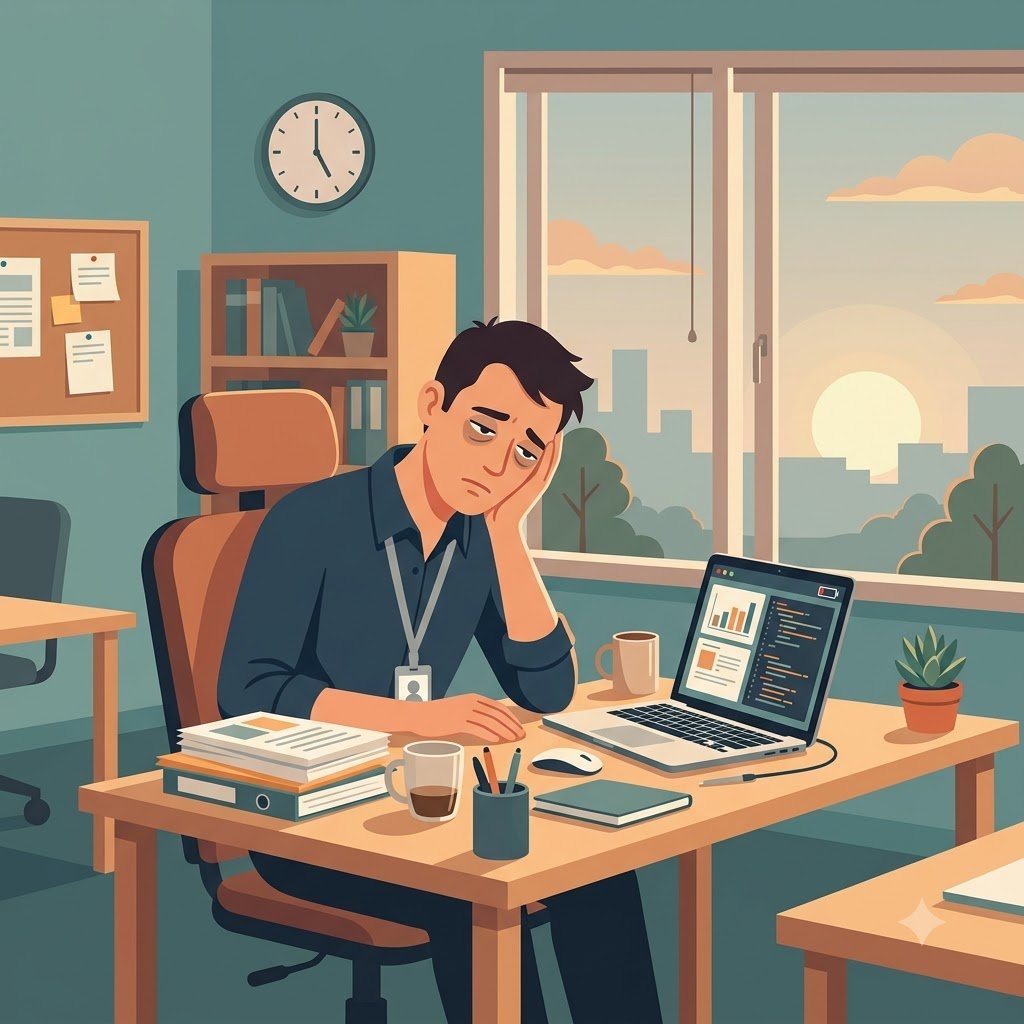
Feeling tired all the time — even after a full night’s sleep?
Dealing with body pain, hair fall, or getting sick more often than usual?
You might be facing vitamin D deficiency, one of the most common yet ignored health problems in India.
Despite plenty of sunlight, millions of people still have low vitamin D levels due to indoor lifestyles, pollution, and poor diet. The problem? Most people don’t realize it until symptoms start affecting their daily life.
In this guide, you’ll learn:
- The early warning signs of vitamin D deficiency
- What causes it in Indians specifically
- How to read your vitamin D test report
- And the fastest ways to correct it safely
What Is Vitamin D Deficiency?
Vitamin D deficiency happens when the body doesn’t have enough of this nutrient to support healthy bones, muscles, and immune function. Vitamin D plays a role in:
- Calcium absorption — without enough Vitamin D, the body struggles to absorb calcium from food, no matter how much calcium you eat
- Bone strength — long-term deficiency weakens bone density over time
- Immune function — Vitamin D helps regulate how the immune system responds to infection
- Muscle function — muscles need Vitamin D to contract properly, which is why weakness is a common symptom. Some of these symptoms — like fatigue and low immunity — also overlap with thyroid imbalances, so if a Vitamin D test comes back normal but symptoms persist, a thyroid check is worth considering too.
Because these effects build up gradually, deficiency is often described as “silent” — most people don’t notice anything is wrong until it’s already affected their energy levels or bone health.
Vitamin D Deficiency Symptoms
Many people mistake these symptoms for ordinary tiredness or “just getting older” and never think to check.
Common symptoms:
- Persistent fatigue or low energy that doesn’t improve with rest
- Bone pain, especially in the lower back, hips, or joints
- Muscle weakness or frequent cramps — sometimes noticed first as difficulty climbing stairs
- Hair thinning or increased hair fall
- Getting sick often, or taking longer than usual to recover from infections
- Low mood or a general sense of heaviness
- Slow healing of cuts or wounds
Signs of more severe, longer-term deficiency:
- Noticeable difficulty walking or climbing stairs
- Bone fractures from minor falls or bumps
- Marked, persistent muscle weakness
None of these symptoms are unique to Vitamin D deficiency on their own — several overlap with thyroid issues, anemia, and other common deficiencies. If you’re also managing symptoms like unexplained weight changes or fatigue, our guide on what thyroid disease looks like covers the overlap in more detail. A blood test is the only reliable way to confirm what’s actually going on, rather than guessing from symptoms alone.
Vitamin D Ki Kami Se Kya Hota Hai?
This is one of the fastest-growing health searches in India right now, and the concern behind it is valid. Left untreated over the long term, low Vitamin D can contribute to:
- Weak, brittle bones (osteoporosis)
- Higher risk of fractures
- Chronic fatigue that doesn’t resolve on its own
- Lowered immunity
- Ongoing muscle weakness
The reassuring part: this is one of the most manageable deficiencies once it’s identified. A simple blood test and a doctor-guided correction plan is usually all it takes.
Why Vitamin D Deficiency Is So Common in India
- Indoor lifestyles — office jobs, work-from-home, and air-conditioned commutes cut daily sun exposure dramatically
- Sunscreen and pollution — both block the UVB rays skin needs to synthesize Vitamin D
- Darker skin tones — need more sun exposure than lighter skin to produce the same amount of Vitamin D
- Diet gaps — very few Indian dietary staples are naturally rich in Vitamin D
- Covering up outdoors — for cultural, religious, or practical reasons, which further limits sun exposure
Vitamin D Deficiency Causes
Primary causes:
- Insufficient sun exposure
- A diet low in Vitamin D-rich foods
Other contributing causes:
- Obesity — Vitamin D gets stored in fat tissue and becomes less available to the bloodstream
- Kidney or liver conditions — both organs help convert Vitamin D into its active form
- Malabsorption conditions such as celiac disease or Crohn’s disease, which reduce how much Vitamin D the gut can absorb
- Certain medications, including some anti-seizure and steroid medications, which can interfere with Vitamin D metabolism
Who Is Most at Risk
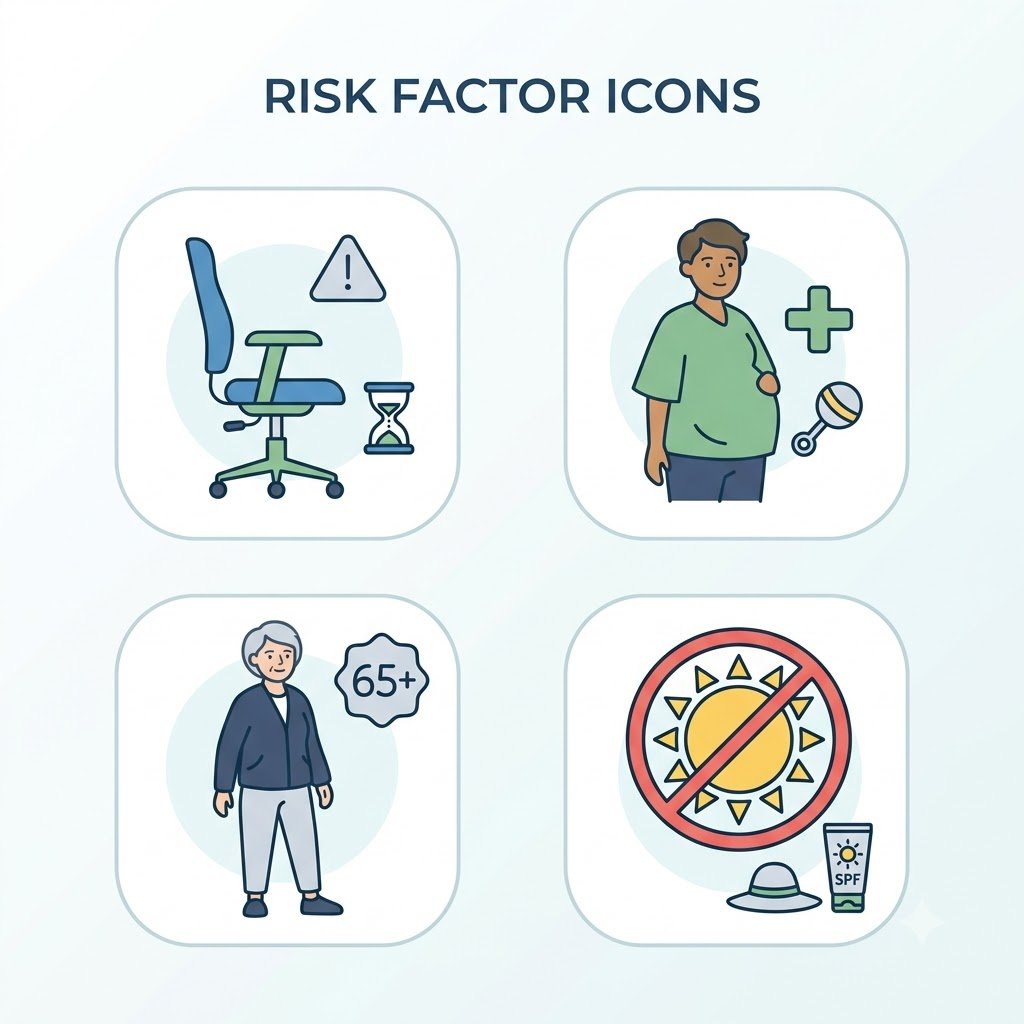
- Office workers with limited outdoor time
- Elderly adults — skin becomes less efficient at Vitamin D synthesis with age
- Women, particularly during pregnancy or after menopause
- People with darker skin tones
- Vegetarians and vegans with limited access to fortified foods
- Anyone who stays covered up outdoors for cultural or practical reasons
Vitamin D Test: How It Works
The standard test is called 25-hydroxy Vitamin D, and it’s what most doctors order to check your status:
- Simple blood draw, usually with no fasting required
- Results are typically available within 24–48 hours
- No special preparation needed, though it’s worth telling your doctor about any supplements you’re already taking, since these can affect the result
You can see what the test involves in more detail on Tata 1mg’s official Vitamin D (25-Hydroxy) test page.
Vitamin D Normal Range
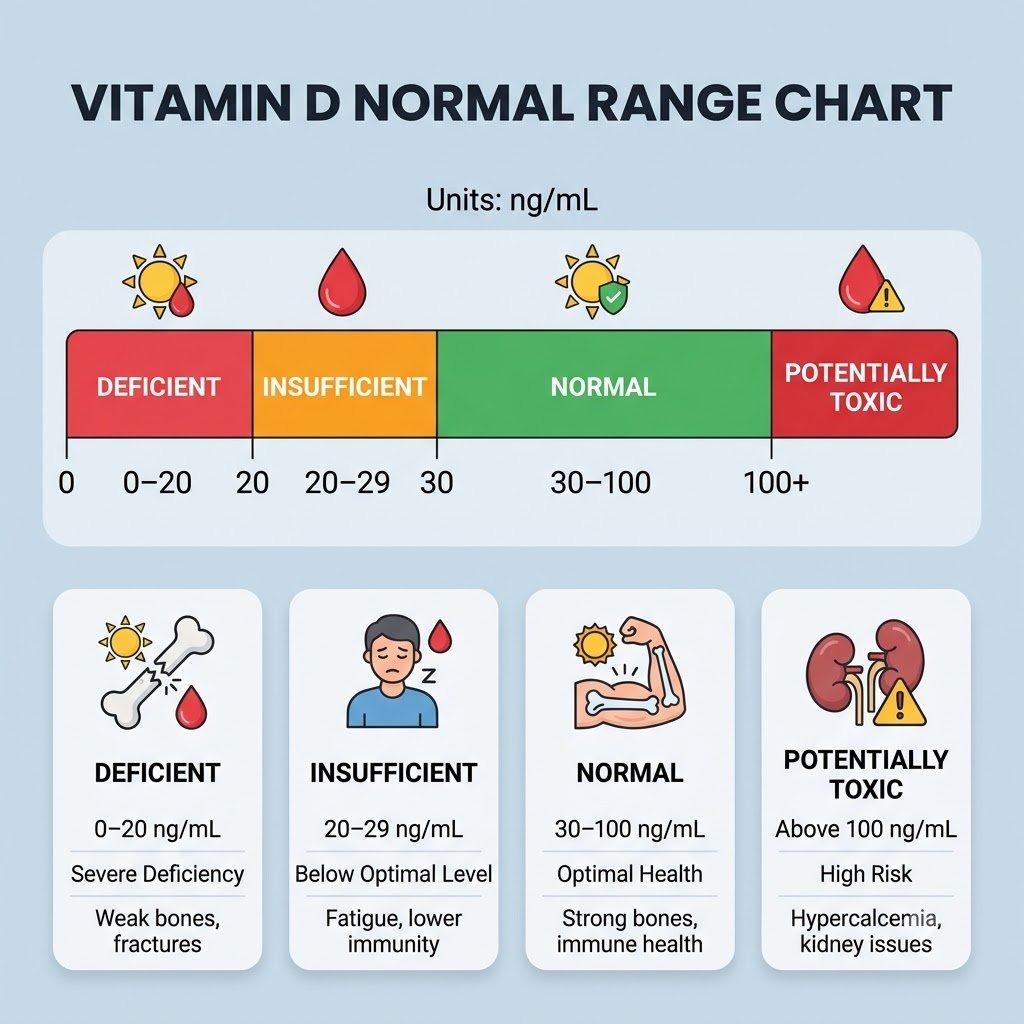
| Level | Range (ng/mL) | What it means |
|---|---|---|
| Deficient | Below 20 | Treatment typically recommended |
| Insufficient | 20–29 | Borderline; often needs dietary/lifestyle correction, sometimes supplements |
| Normal | 30–100 | Healthy range |
| Potentially toxic | Above 100 | Rare, usually from excessive supplementation — needs medical review |
Reference ranges can vary slightly between labs — always check the range printed on your own report rather than relying only on this table. For general nutrient guidance, the ICMR–National Institute of Nutrition publishes India-specific dietary recommendations, and the NIH Office of Dietary Supplements Vitamin D fact sheet is a reliable international reference if you want to read further.
Vitamin D Test Cost in India
Test pricing varies by city, lab, and whether you choose home sample collection versus visiting a center. Rather than quote a fixed number that may be out of date by the time you read this, message us on WhatsApp for current pricing in your area — home collection is available in most cities through the Tata 1mg HealthPartner programme.
Vitamin D Deficiency Treatment
1. Supplements If your test shows a deficiency, your doctor will prescribe a dosage and duration based on how low your level is — this varies person to person and isn’t one-size-fits-all. Doses are usually expressed in IU (International Units) and taken weekly or monthly for a set course, followed by a lower maintenance dose. Avoid starting a high-strength supplement on your own without a test first.
2. Sun exposure Around 15–20 minutes of mid-morning sunlight on your arms and legs, a few times a week, is a commonly recommended starting point — though the right amount depends on your skin tone, the season, and where in India you live (someone in Delhi in December needs more exposure than someone in Chennai in April).
3. Diet changes
If you’re also watching your blood sugar, our diabetic diet chart covers food choices that support both blood sugar and overall nutrient intake.
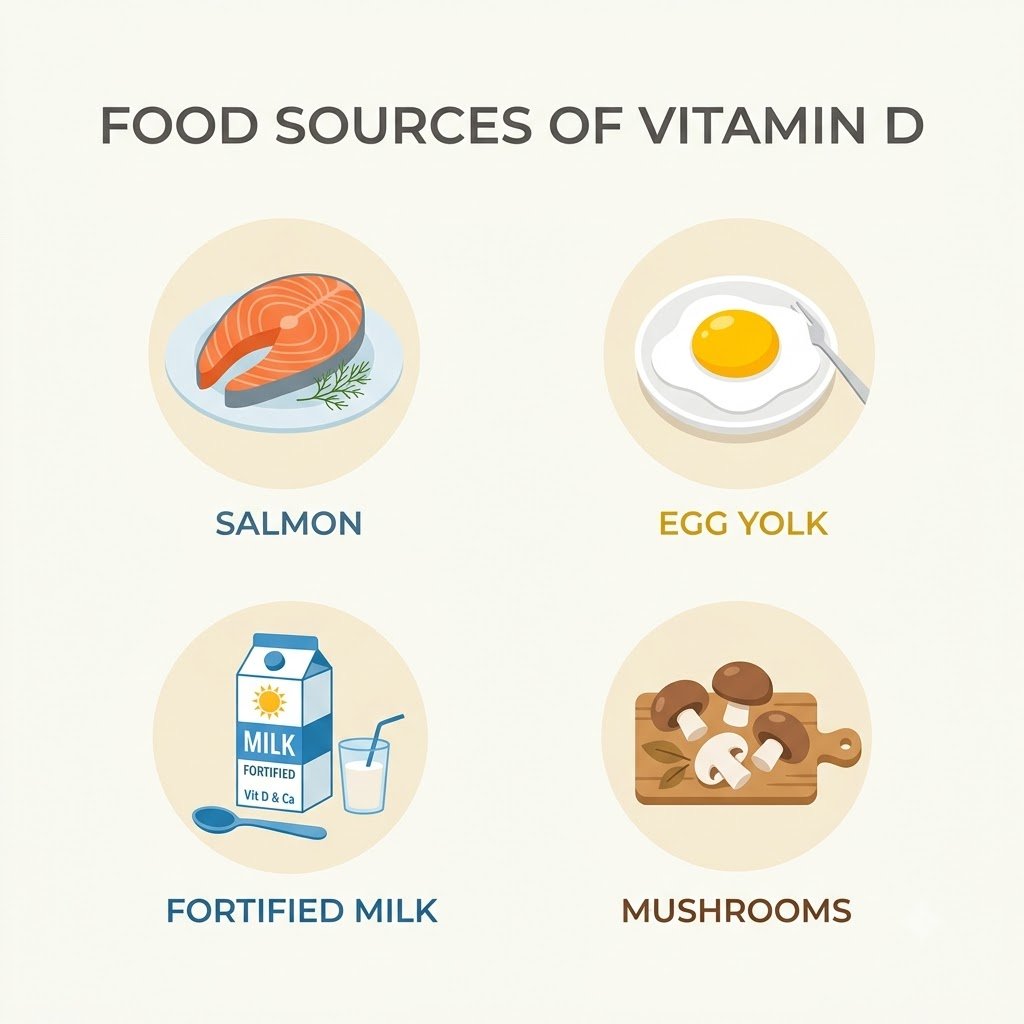
| Food | Approximate Vitamin D contribution |
|---|---|
| Fatty fish (salmon, sardines, mackerel) | High — among the best natural dietary sources |
| Egg yolks | Moderate |
| Fortified milk or plant-based milk | Moderate, varies by brand |
| Mushrooms exposed to sunlight | Low to moderate |
According to the NIH Office of Dietary Supplements, very few foods naturally contain meaningful amounts of Vitamin D, which is why fortified foods and, when needed, supplements play an important role — especially in a country where dietary intake alone rarely covers the gap.
Can You Take Vitamin D Without a Test?
It’s not advisable. Taking supplements without knowing your baseline can lead to:
- Overdosing, since you won’t know your starting point
- Unsafely high calcium levels over time
- In rare cases, kidney strain from prolonged excess Vitamin D
Testing first takes the guesswork out and lets your doctor set the right dose.
When Should You Get Tested?
- If you’re experiencing symptoms like fatigue, bone pain, or frequent illness
- As part of a general annual health check, especially heading into the lower-sunlight months
- Before starting any Vitamin D supplement
- Around 8–12 weeks after starting treatment, to confirm your levels have improved
Getting tested for Vitamin D alongside other routine markers — like your blood sugar levels — is a practical way to cover multiple bases in one visit.
Frequently Asked Questions
What are early signs of Vitamin D deficiency? Fatigue, bone or joint pain, and muscle weakness are usually the first signs people notice, though they’re easy to write off as general tiredness.
How can I increase my Vitamin D levels? A combination of safe sun exposure, Vitamin D-rich foods, and — if your test confirms a deficiency — doctor-prescribed supplementation.
Is Vitamin D deficiency serious? If left untreated for a long time, yes — it can affect bone strength and immune function. The good news is it’s straightforward to detect and correct once identified.
Which foods are highest in Vitamin D? Fatty fish and fortified dairy products are generally the best dietary sources, though very few foods naturally contain large amounts.
Book Your Vitamin D Test Today
Don’t ignore symptoms like fatigue, body pain, or frequent illness — they could be signs of low vitamin D.
📲 Get your Vitamin D test in your city ✔ Home sample collection ✔ Fast & accurate reports ✔ Trusted lab partners (Tata 1mg network) ✔ Doctor guidance available
👉 WhatsApp now to book instantly: +91 9347968950
⚡ Early testing means faster answers — don’t wait until it gets worse.
This article is for informational purposes only and is not a substitute for professional medical advice. Always consult a qualified healthcare provider for diagnosis and treatment. HealthPartner India does not provide medical diagnosis; we facilitate lab test booking and sample collection through the Tata 1mg HealthPartner programme.