
If you’ve been feeling unusually thirsty lately, running to the bathroom more than normal, or noticing that cuts and scrapes are taking longer to heal, it’s worth asking a simple question: could this be diabetes? Millions of people live with the condition for years before they’re diagnosed, often because the early signs are easy to brush off as stress, weather, or just getting older. This guide covers the key diabetes symptoms and causes, how to recognize them early, and what to do next.
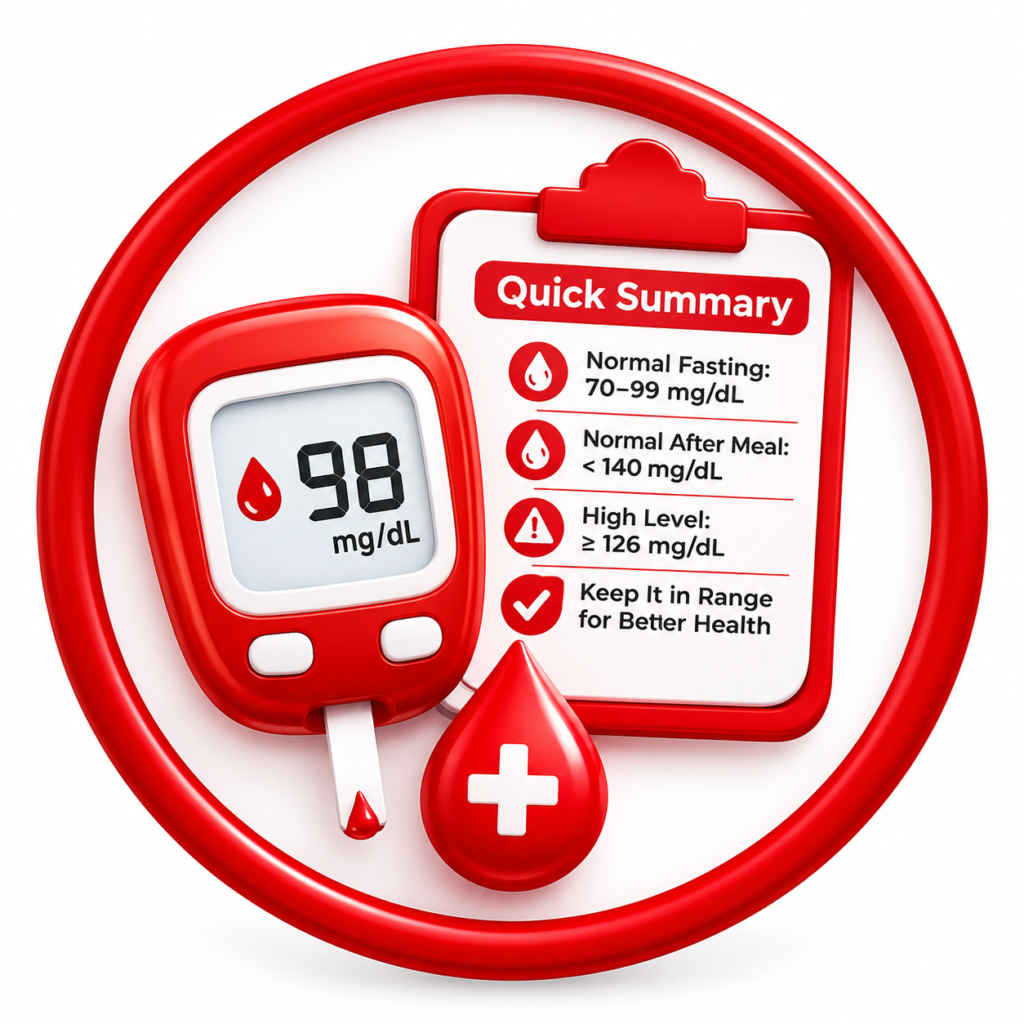
📌 Quick Summary
| Aspect | Details |
|---|---|
| Condition | Diabetes (Diabetes Mellitus) |
| Main Cause | High blood sugar due to insufficient insulin or insulin resistance |
| Common Symptoms | Frequent urination, excessive thirst, fatigue, blurred vision, unexplained weight loss |
| Risk Factors | Obesity, family history, poor diet, inactivity, increasing age |
| Diagnosis | Fasting Blood Sugar (FBS), HbA1c Test, Random Blood Sugar Test |
| Treatment | Healthy diet, exercise, oral medication, insulin therapy (if needed) |
| Prevention | Healthy weight, regular activity, balanced diet, routine checkups |
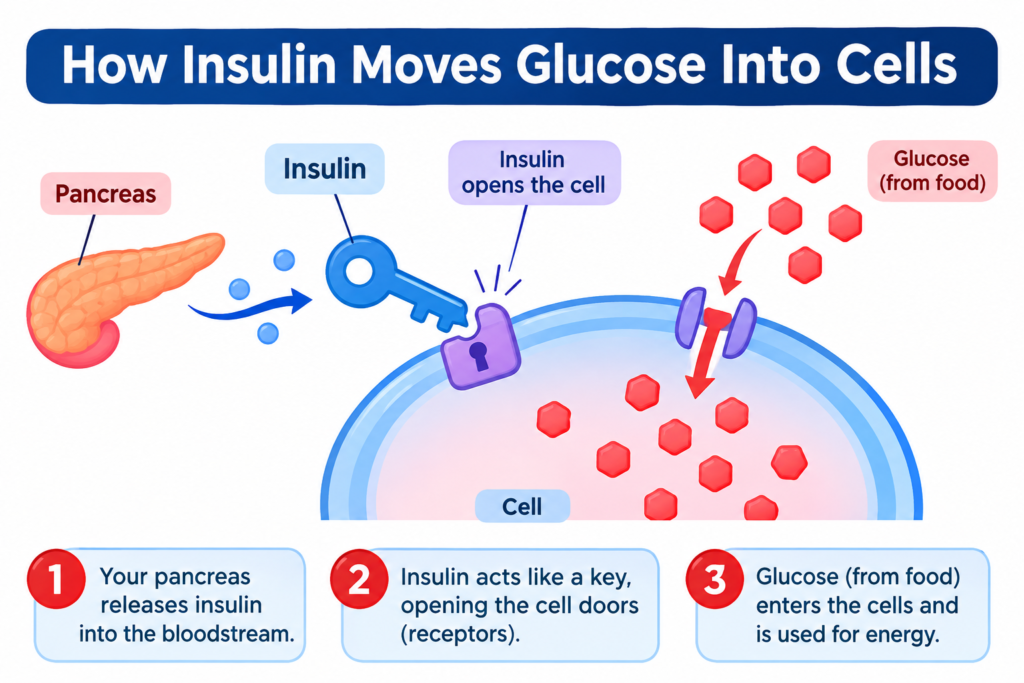
What Actually Happens in Your Body
Every time you eat, your body breaks food down into glucose — a simple sugar that fuels your cells. For that glucose to leave your bloodstream and enter your cells, you need insulin, a hormone made by the pancreas. Insulin works like a doorman: it opens the cell so glucose can get in and be used for energy.
In diabetes, that system breaks down in one of two ways. Either the pancreas stops making enough insulin, or your cells stop responding to it properly (called insulin resistance). Either way, glucose piles up in the bloodstream instead of reaching the cells, and blood sugar levels climb higher than they should.
Left unchecked for years, that excess sugar slowly damages blood vessels and nerves throughout the body — which is why diabetes is linked to heart problems, vision loss, kidney disease, and foot complications down the line.
Left unmanaged, high blood sugar can damage the heart, kidneys, eyes, nerves, and blood vessels over time.
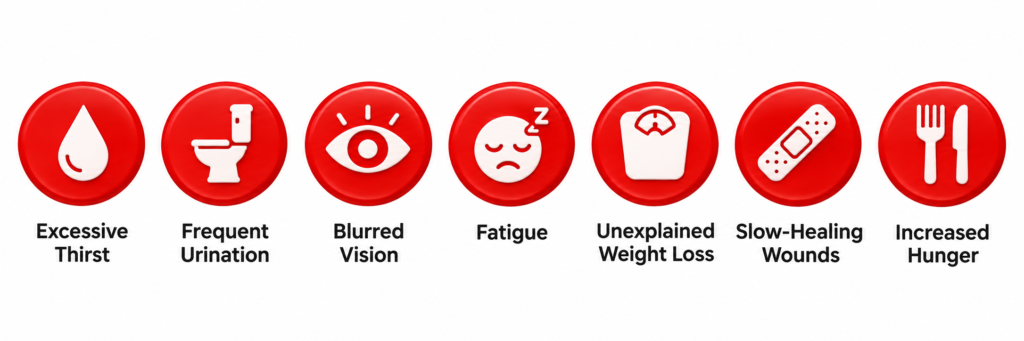
Signs You Shouldn’t Ignore
Diabetes doesn’t always announce itself loudly. Type 1 diabetes tends to come on fast, sometimes over days or weeks. Type 2, which is far more common, usually creeps up slowly — which is exactly why it goes unnoticed for so long.
Common early signs of diabetes include:
- Feeling thirsty far more often than usual
- Urinating frequently, including waking up at night for it
- Fatigue that doesn’t improve with rest
- Blurry vision that comes and goes
- Losing weight without trying
- Wounds, cuts, or infections that heal slower than they used to
- Feeling hungry again shortly after eating
None of these symptoms alone confirms diabetes — but if two or three sound familiar, it’s worth getting tested rather than waiting it out.
Why This Matters More in India
India carries one of the largest diabetes burdens in the world. Genetics play a role — Indians tend to develop insulin resistance at a lower body weight than many other populations, meaning you don’t have to be significantly overweight to be at risk. Diet patterns high in refined carbohydrates, increasingly sedentary jobs, and rising obesity rates in urban areas have added to the problem.
What makes this more concerning is how many cases go undiagnosed. A large number of people only discover they have diabetes after a routine test, a hospital visit for something else entirely, or after complications have already begun. That’s the core argument for testing proactively rather than waiting for symptoms to force the issue.
Types of Diabetes
Type 1 Diabetes
An autoimmune condition — the immune system mistakenly attacks the insulin-producing cells in the pancreas. It usually shows up in children or young adults and requires lifelong insulin. It isn’t caused by diet or lifestyle, and currently can’t be prevented.
Type 2 Diabetes
Accounts for the overwhelming majority of cases. Here, the body still makes insulin but doesn’t use it efficiently. It develops gradually and is closely tied to weight, activity levels, diet, and family history — which also means it’s often preventable or delayable through lifestyle changes.
Gestational Diabetes
Develops during pregnancy, usually picked up through routine prenatal screening. It typically resolves after delivery, but it raises the mother’s future risk of Type 2 diabetes and can affect the baby’s health too, so it’s taken seriously even though it’s temporary.
Prediabetes (Impaired Glucose Tolerance)
Blood sugar is above normal but not yet high enough to be classified as diabetes. This stage is a warning sign, not a diagnosis — many people who catch it here can bring their blood sugar back to normal range through diet and exercise before it progresses.
What Causes Diabetes?
- Family history — having a parent or sibling with diabetes meaningfully raises your own risk
- Excess weight, particularly fat carried around the abdomen
- Low physical activity
- Diets heavy in refined carbs, sugary drinks, and processed food
- Age — risk rises after 40, though Type 2 is increasingly seen in younger adults too
- Insulin resistance, where the body’s cells stop responding normally to insulin
How is Diabetes Diagnosed?
Diagnosis doesn’t require anything invasive — just a blood sample. The main tests are:
- Fasting Blood Sugar (FBS) — taken after 8–12 hours without food
- HbA1c — reflects your average blood sugar over the past 2–3 months, useful because it isn’t thrown off by what you ate that morning
- Random Blood Sugar Test (RBS) — can be taken any time of day
- Oral Glucose Tolerance Test (OGTT) — measures how your body handles a glucose load, often used in pregnancy
If you’re over 40, carrying extra weight, or have a family history, it’s worth getting one of these done even without symptoms.
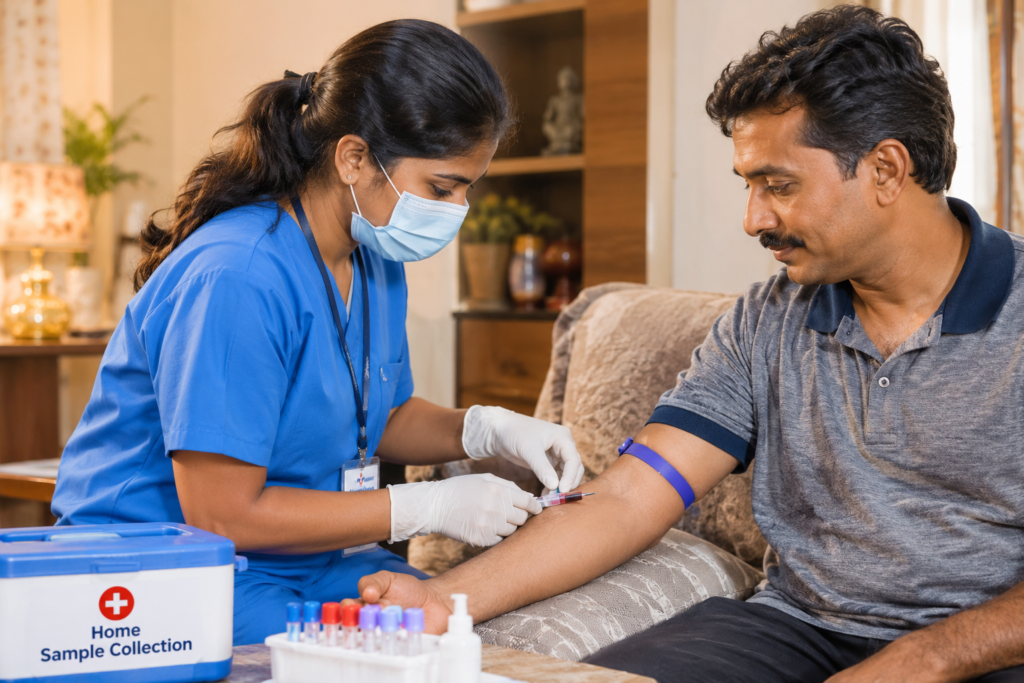
📱 Book Your Diabetes Test with HealthPartner India
We help you book trusted diabetes screening tests through our Tata 1mg partnership, including:
- HbA1c (Glycosylated Hemoglobin) Test — checks average blood sugar over 2-3 months
- FBS (Fasting Blood Sugar) Test — quick fasting glucose check
- Diabetes Screening Package (HbA1c + FBS) — combined test for a complete picture
- Diabetes and Heart Check — diabetes + cholesterol screening in one package
Chat with us on WhatsApp to book your test with home sample collection and check available discounts.
Monitoring Blood Sugar at Home
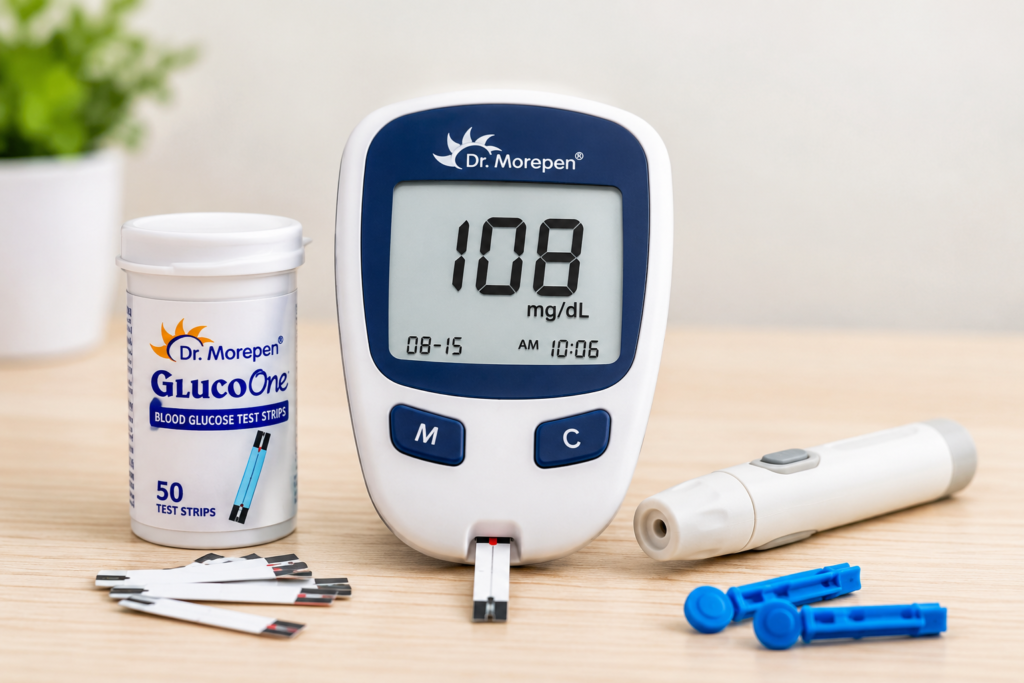
Once diagnosed, many people use a glucometer to track blood sugar day to day — it’s a quick way to see how a particular meal, walk, or medication dose is affecting your levels. If you’re new to this, we can help you pick a reliable device and get it delivered.
Popular glucometers available through our Tata 1mg partnership:
Message us on WhatsApp and we’ll help you pick the right glucometer and check for ongoing offers.
Why Early Diagnosis Matters
Diabetes often develops silently — many people only find out during a routine checkup or after complications appear. Catching it early through regular blood sugar testing significantly lowers your risk of:
- Heart disease and stroke
- Kidney disease
- Vision loss (retinopathy)
- Nerve damage and foot complications
The World Health Organization notes that diabetes cases have increased roughly four-fold globally over the past few decades, and that a large share of people living with diabetes are not receiving adequate treatment — a gap that’s especially wide in lower-income regions (WHO). Early testing and consistent management can prevent or delay most of these outcomes.
Managing Diabetes: Lifestyle Tips
✔ Build meals around vegetables, whole grains, and lean protein
✔ Cut back on sugary drinks and processed snacks
✔ Aim for at least 150 minutes of activity a week — a brisk daily walk counts
✔ Stay consistently hydrated
✔ Prioritize 7–8 hours of sleep
✔ Avoid smoking and go easy on alcohol
✔ Get blood sugar checked regularly if you have risk factorsTest regularly if you fall into a higher-risk group
If you’re prescribed medication, order it easily through our medicine ordering service — just send your prescription on WhatsApp.

Key Takeaways
- Diabetes means blood sugar levels are consistently too high
- Insulin helps move glucose from blood into cells for energy
- Symptoms often develop gradually, so they’re easy to miss
- India has one of the highest diabetes burdens in the world, with many cases undiagnosed
- Early diagnosis through simple blood tests can prevent serious complications
- Diet, exercise, monitoring, and medicines together help manage diabetes effectively
Frequently Asked Questions (FAQs)
1. What is diabetes? Diabetes is a condition where blood sugar (glucose) levels become higher than normal because the body can’t make or use insulin properly.
2. What are the early signs of diabetes? Increased thirst, frequent urination, constant tiredness, blurred vision, slow-healing wounds, and increased hunger.
3. What causes diabetes? Genetics, obesity, poor diet, inactivity, age, and problems with insulin production or use.
4. Is diabetes curable? Not permanently, but it’s very manageable. Many people live full, active lives by staying on top of diet, activity, medication, and regular testing.
5. Which test is used to diagnose diabetes? Fasting Blood Sugar (FBS), Post-Prandial Blood Sugar (PPBS), and HbA1c tests are most commonly used.
6. Can Type 2 diabetes be prevented? In many cases, yes — or at least significantly delayed — through sustained weight management and activity.
7. Why is diabetes such a big concern in India specifically? India has one of the largest diabetes populations in the world, and a large share of cases go undiagnosed until complications appear — which is why routine testing matters even without symptoms.
8. When should I see a doctor? If you notice symptoms or have risk factors like obesity or family history, get tested as soon as possible.
9. How can HealthPartner India help? We help with medicine ordering through Tata 1mg, diabetes test bookings (HbA1c, FBS), glucometer purchases, doctor consultations, and checking for available discounts — all via WhatsApp.
Need Help with Your Diabetes Care?
Whether you need medicines, a diabetes test, a glucometer, or a doctor consultation, HealthPartner India is here to help — genuine products, trusted labs, delivered across India.
📱 WhatsApp us today: +91 93479 68950
Follow us for more health tips and updates: Facebook | Instagram
Medical Disclaimer: This article is for educational purposes only and is not a substitute for professional medical advice, diagnosis, or treatment. Always consult a qualified healthcare professional regarding any medical condition.