
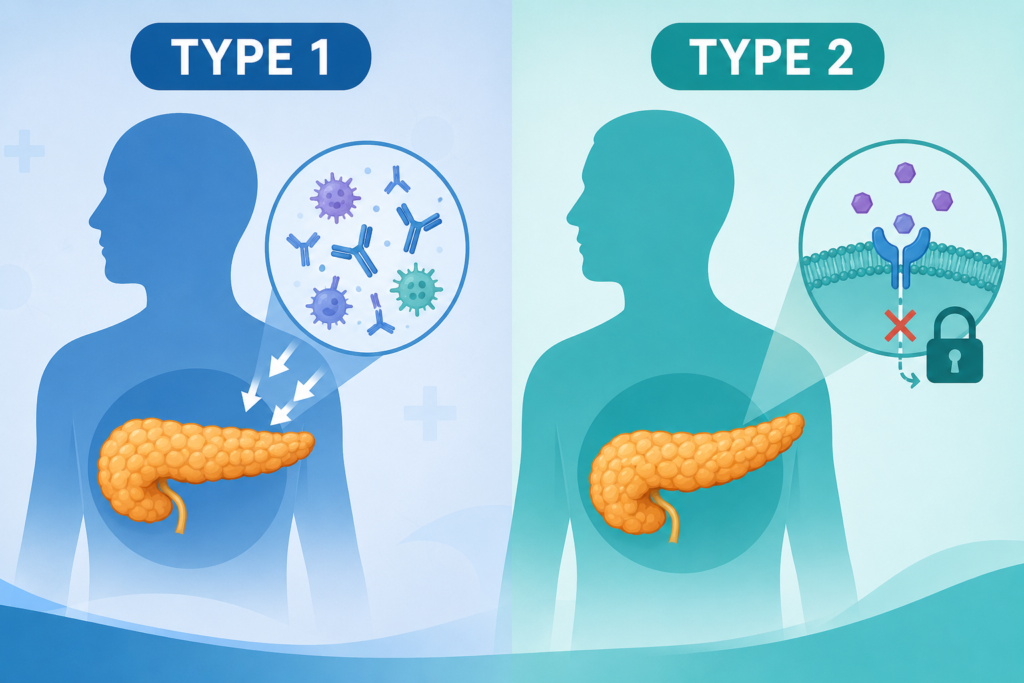
Diabetes” gets used as if it’s one single condition, but Type 1 and Type 2 are genuinely different — different causes, different age groups, different treatment paths. Knowing which is which matters, because how you manage one has very little overlap with how you manage the other.
What Is Diabetes?
At its core, diabetes means your body can’t properly regulate blood sugar — either because it isn’t making enough insulin, or because it can’t use the insulin it does make. Insulin is what lets glucose move out of your bloodstream and into your cells for energy. When that process fails, glucose builds up in the blood, and over time that leads to the symptoms and complications diabetes is known for.
(For more, see our full guide: Diabetes Symptoms and Causes.)
Type 1 Diabetes
What Causes It?
Type 1 diabetes happens when the immune system mistakenly attacks and destroys the insulin-producing cells in the pancreas. The result is that the body makes little or no insulin on its own. This is an autoimmune condition — not something caused by diet, weight, or lifestyle — which is why daily insulin becomes essential for survival rather than optional.
Who It Affects
Type 1 is most often diagnosed in children, teens, or young adults, though it can technically show up at any age. It makes up roughly 5–10% of all diabetes cases overall.
Type 1 Diabetes Symptoms
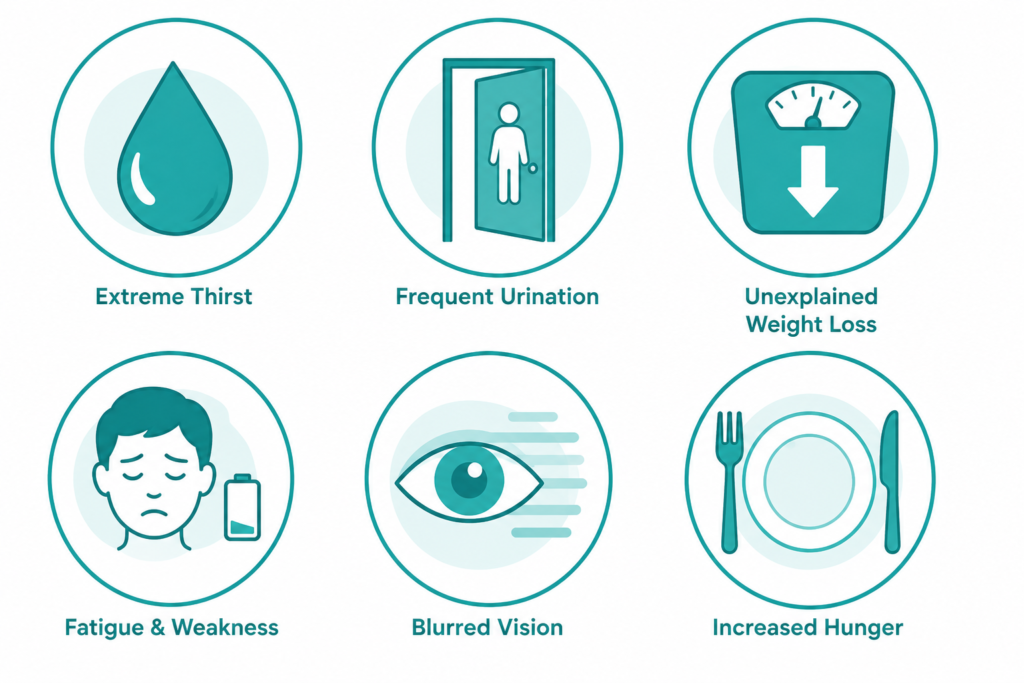
- Sudden, fast-developing symptoms
- Extreme thirst and frequent urination
- Unexplained weight loss
- Fatigue and general weakness
- Blurred vision
- Increased hunger
⚠️ Important: Type 1 diabetes can escalate quickly. Symptoms like vomiting, abdominal pain, rapid breathing, confusion, or extreme weakness can signal diabetic ketoacidosis (DKA) — a serious complication that needs urgent medical care.
Type 2 Diabetes
What Causes It?
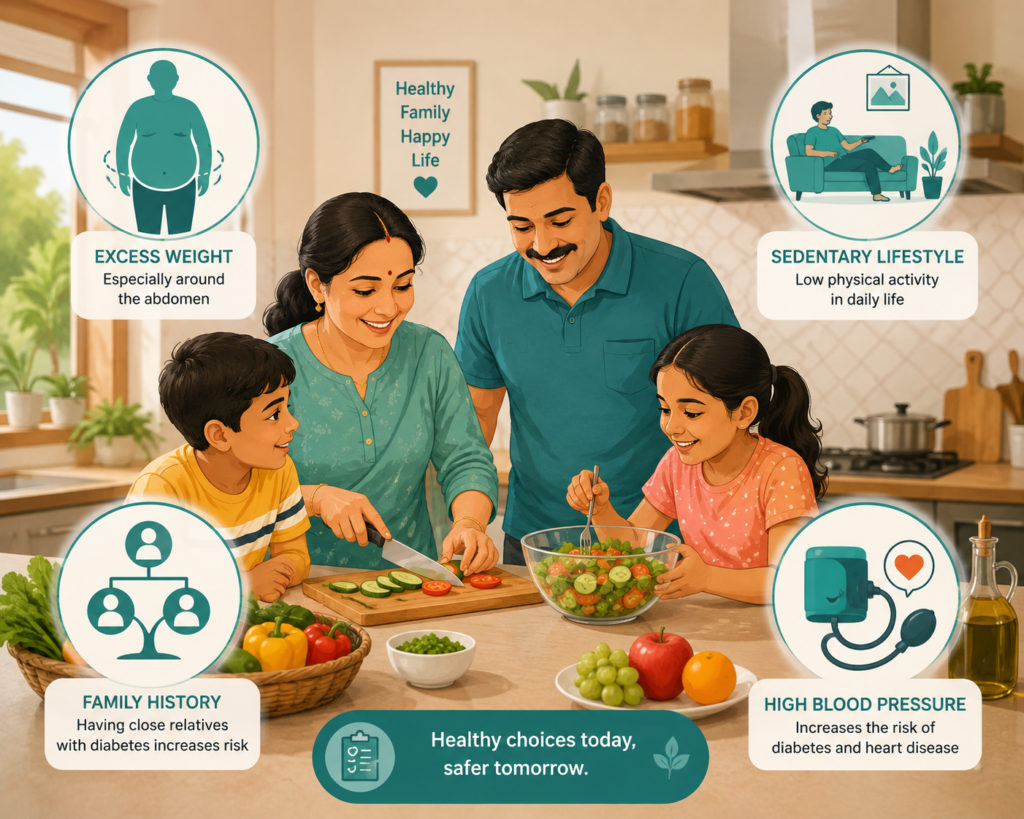
Type 2 develops through a mix of insulin resistance, gradually declining insulin production, genetics, and other risk factors working together. Excess weight and inactivity raise the risk, but it’s misleading to call it purely a “lifestyle disease” — genetics, age, and family history all play a real part too.
Risk Factors
- Excess weight, particularly around the abdomen
- A sedentary routine with little physical activity
- Family history of diabetes
- Age above 45
- A past episode of gestational diabetes
- High blood pressure or abnormal cholesterol
Type 2 Diabetes Symptoms
Type 2 tends to develop slowly and can go unnoticed for years. When symptoms do show up, they typically include increased thirst, frequent urination, fatigue, blurred vision, and slow-healing wounds — generally milder and slower to appear than Type 1 symptoms.
Type 2 is, by a wide margin, the more common form of diabetes both in India and globally.
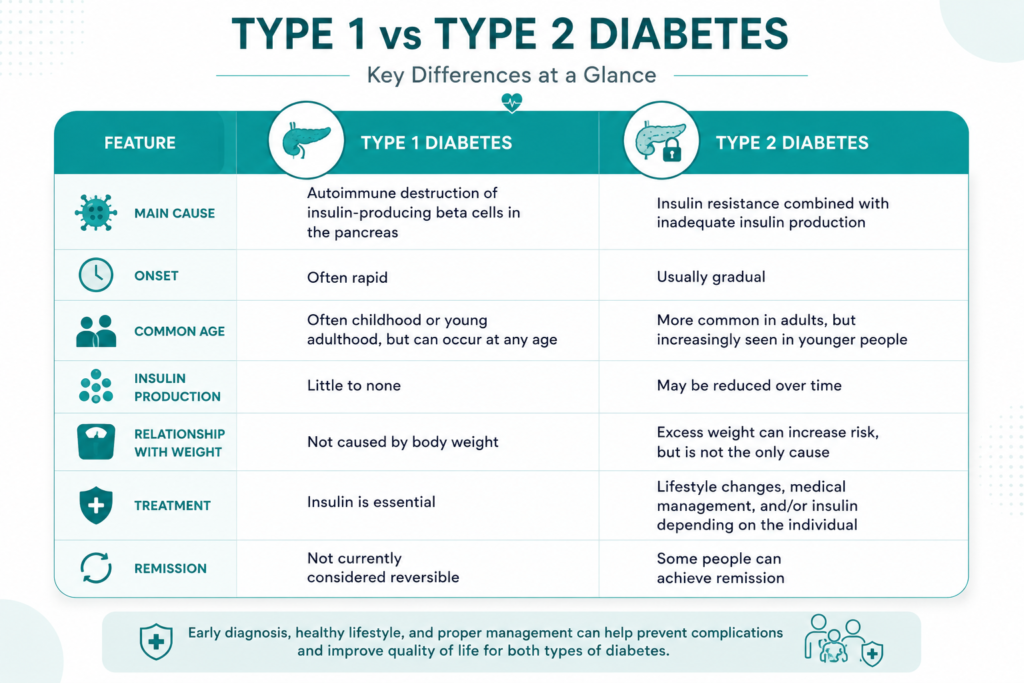
Type 1 vs Type 2 Diabetes: Comparison Table
| Feature | Type 1 Diabetes | Type 2 Diabetes |
|---|---|---|
| Main cause | Autoimmune destruction of insulin-producing beta cells | Insulin resistance combined with inadequate insulin production |
| Typical onset | Often rapid | Usually gradual |
| Common age | Often childhood or young adulthood, but can occur at any age | More common in adults, but increasingly seen in younger people |
| Insulin production | Little or none | May be reduced over time |
| Relationship with body weight | Not caused by body weight | Excess weight can increase risk but is not the only cause. |
| Treatment | Insulin is essential. | Lifestyle changes, medical management, and/or insulin depending on the individual |
| Remission | Not currently considered reversible | Some people can achieve remission |
Treatment: Where They Really Diverge
Type 1 always requires insulin — there’s currently no alternative, since the body has stopped producing it on its own. Day-to-day management usually means regular blood sugar checks and adjusting insulin around meals and activity levels.
Type 2 treatment is more individualized. Many people start with diet, activity, and weight management under a doctor’s supervision. Depending on how things progress, a doctor may add medication, and some people eventually need insulin too. There’s no single fixed path — it depends on the person, and it’s always a decision made with a healthcare professional.
Do Type 1 and Type 2 Diabetes Have Different Blood Sugar Levels?
The diagnostic thresholds for diabetes — the actual glucose and HbA1c numbers used to confirm a diagnosis — are the same regardless of type. What differs is behavior, not the target range: in Type 1, blood sugar can swing quickly and unpredictably without insulin on board, while in Type 2 it tends to climb gradually, often over months or years, before it’s caught. Ongoing monitoring frequency and individual targets are still set by a doctor either way.
(See our detailed guide: Normal Blood Sugar Levels Chart.)
Type 1 vs Type 2 Diabetes: Is One More Genetic?
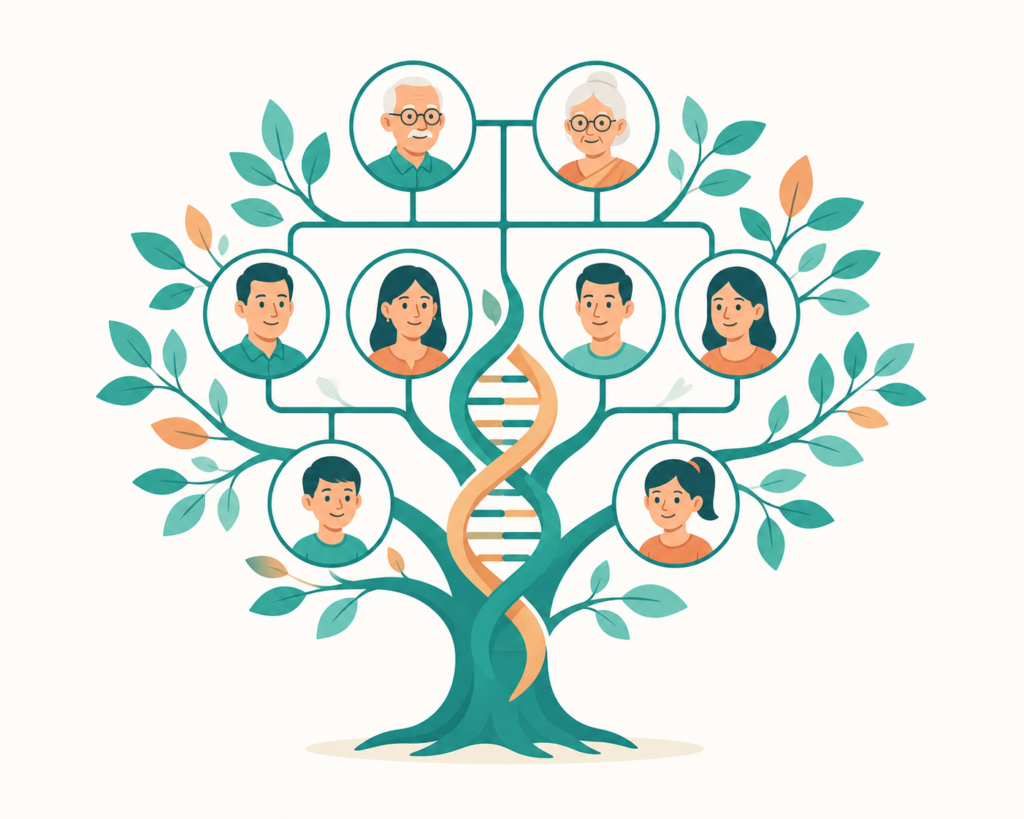
Both have a genetic component, just expressed differently. A family history of Type 2 is a meaningful risk factor on its own. Type 1 is linked to certain genetic markers that raise susceptibility to the autoimmune trigger, but genetics alone don’t determine whether someone develops it. Put simply: genetics matter for both, but neither is decided by family history alone.
Can Symptoms Tell You Which Type You Have?
Not reliably. Both types can cause thirst, frequent urination, fatigue, blurred vision, and weight changes. The clearest tell is speed — Type 1 tends to hit fast, Type 2 creeps in slowly — but that’s not diagnostic on its own. Only blood tests and a doctor’s evaluation can confirm which type someone actually has.
Which Is Worse: Type 1 or Type 2 Diabetes?
Neither is simply “worse” — they demand different things. Type 1 requires constant, lifelong insulin management from day one, with little margin for error. Type 2 often progresses more gradually and may not need insulin right away, but because it can go undetected for years, it’s sometimes only caught after complications have already started. How hard either is to live with usually comes down to how well it’s managed, not the label itself.
Which Is More Dangerous: Type 1 or Type 2 Diabetes?
Both can lead to serious long-term complications — heart disease, kidney damage, nerve damage, vision problems — when blood sugar stays poorly controlled. Type 1 carries an acute risk when insulin runs short, since DKA can develop quickly and become life-threatening. Type 2 has its own acute risk in extreme cases too, including a condition called hyperosmolar hyperglycemic state when blood sugar climbs very high. Undiagnosed high blood sugar, meanwhile, can quietly damage organs over years without either type being properly caught. With proper diagnosis and treatment, both are manageable.
Can Type 2 Diabetes Go Into Remission?
This comes up a lot — is Type 2 reversible? Diabetes isn’t generally described as “cured,” but with sustained weight management, a balanced diet, regular activity, and consistent monitoring, some people with Type 2 do bring their blood sugar back into a normal range and reduce how much treatment they need — often called remission. This generally isn’t possible with Type 1, since the insulin-producing cells are permanently affected. Any changes to a management plan should be made with a doctor.
(Read next: Diet Chart for Diabetic Patients — Indian Meal Plan.)
What About Gestational Diabetes?
Gestational diabetes is a separate category that develops during pregnancy — distinct from both Type 1 and Type 2, though having it does raise the future risk of developing Type 2.
When Should You See a Doctor?
If you’re noticing symptoms — excessive thirst, frequent urination, unexplained fatigue, or unexplained weight change — don’t wait it out. Early diagnosis through a simple blood sugar or HbA1c test makes a real difference to long-term outcomes, for either type.
We can help you access lab testing or an online doctor consultation through our Tata 1mg partnership.
Frequently Asked Questions
1. What is the main difference between Type 1 and Type 2 diabetes? Type 1 diabetes is an autoimmune condition in which the body produces little to no insulin. Type 2 diabetes involves insulin resistance and often reduced insulin production over time.
2. Can Type 1 diabetes be prevented? No. It’s an autoimmune condition and currently can’t be prevented through diet or lifestyle.
3. Can Type 2 diabetes go into remission? Yes, some people can achieve remission through sustained weight management, diet, and physical activity, though this varies by individual and should be guided by a doctor.
4. Which is more genetic, Type 1 or Type 2 diabetes? Type 2 diabetes has a stronger, more direct link to family history. Type 1 diabetes has a genetic component too, but it’s triggered by an autoimmune process rather than family history alone.
5. Do Type 1 and Type 2 diabetes have different blood sugar targets? No—diagnostic and target glucose ranges are generally the same for both types. What differs is how quickly and unpredictably blood sugar can change, especially in Type 1.
6. Can adults develop Type 1 diabetes? Yes. While Type 1 diabetes is most often diagnosed in children and young adults, it can develop at any age.
7. Can children develop Type 2 diabetes? Yes, Type 2 diabetes is increasingly being diagnosed in children and younger adults, often linked to rising obesity rates.
8. Can you have diabetes without symptoms? Yes, especially Type 2, which can develop quietly for years before anything noticeable shows up.
9. What tests can diagnose diabetes? Common tests include fasting blood glucose, HbA1c, and oral glucose tolerance tests. A doctor can advise which is appropriate for you.
Medical Sources
Information in this article is based on guidance from the American Diabetes Association, the World Health Organization, the Centers for Disease Control and Prevention, and diabetes prevalence data from the ICMR-INDIAB study.
- American Diabetes Association (ADA)—Type 1 vs Type 2 Diabetes overview: https://diabetes.org/about-diabetes
- World Health Organization (WHO) — Diabetes Fact Sheet: https://www.who.int/news-room/fact-sheets/detail/diabetes
Get Personalized Support
For guidance on managing diabetes, booking lab tests, or health check-up packages, reach out to Health Partner India: