
Hypertension, commonly known as high blood pressure, is one of the most common health conditions worldwide. The challenging part is that many people with hypertension feel completely fine and may not know they have it.
If left uncontrolled over time, high blood pressure can increase the risk of serious problems involving the heart, brain, kidneys and blood vessels.
This guide explains what hypertension means, its symptoms, causes, types, blood pressure levels, diagnosis, treatment, diet, exercise and how to manage it effectively.
If you already have a blood pressure reading and want to understand what your numbers mean, see our guide to Blood Pressure Range: Normal, High & Low BP Levels.
What Is Hypertension?
Hypertension, or high blood pressure, is a condition in which the force of blood against the walls of the arteries remains higher than recommended over time.
The World Health Organization (WHO) defines hypertension in adults as a blood pressure of 140/90 mmHg or higher, confirmed by measurements taken on two different days.
Blood pressure is written as two numbers:
- Systolic blood pressure — the top number, showing pressure when the heart contracts
- Diastolic blood pressure — the bottom number, showing pressure when the heart relaxes between beats
For example, a reading of 140/90 mmHg means a systolic pressure of 140 and a diastolic pressure of 90.
Hypertension is often called a “silent” condition because it can develop for years without noticeable symptoms. Regular blood pressure checks are therefore important, even if you feel healthy.
You can also read Tata 1mg’s hypertension overview for additional consumer-friendly information about causes, symptoms and treatment.
Blood Pressure Categories: What Do the Numbers Mean?
Different medical guidelines use somewhat different blood pressure categories. The table below shows commonly used categories based on U.S. clinical classifications, followed by the WHO definition.
| Blood Pressure Category | Systolic (mmHg) | Diastolic (mmHg) |
|---|---|---|
| Normal | Less than 120 | Less than 80 |
| Elevated | 120–129 | Less than 80 |
| Stage 1 hypertension* | 130–139 | 80–89 |
| Stage 2 hypertension* | 140 or higher | 90 or higher |
| Very high blood pressure | Above 180 | and/or above 120 |
Important: Blood pressure categories vary between clinical guidelines. The table above follows commonly used U.S. categories (see the American Heart Association’s guide to understanding blood pressure readings), while the WHO defines hypertension in adults as systolic blood pressure ≥140 mmHg and/or diastolic blood pressure ≥90 mmHg, confirmed on measurements taken on two different days. Your doctor may use a different guideline depending on your health, risk factors and location.
A single high reading does not necessarily mean that you have chronic hypertension. Blood pressure should be measured correctly and assessed over time by a healthcare professional.
For a more detailed explanation of normal, elevated, high and low blood pressure levels, see our Blood Pressure Range: Normal, High & Low BP Levels guide.
How Common Is Hypertension?
Hypertension is extremely common worldwide. According to the WHO’s 2025 global report on hypertension, an estimated 1.4 billion adults aged 30–79 were living with hypertension in 2024 — yet only a little over one in five had their blood pressure under control.
This is one reason regular blood pressure screening is important. You do not need to wait for symptoms before checking your blood pressure.
Types of Hypertension
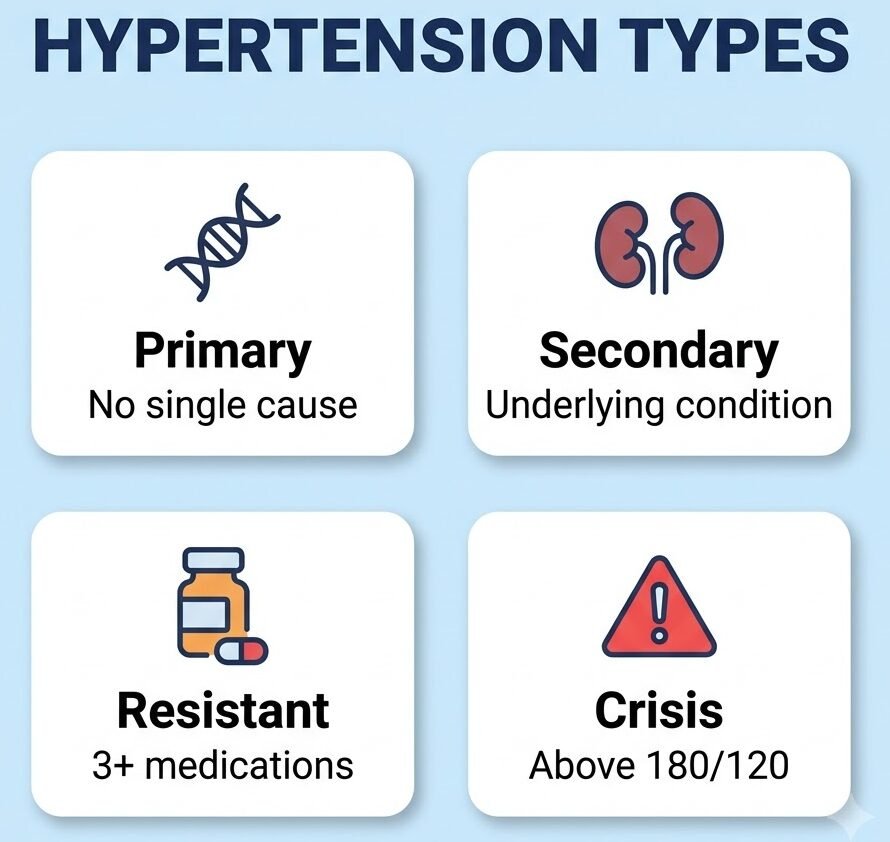
1. Primary (Essential) Hypertension
Primary hypertension is the most common type. It develops gradually over time and does not have one single identifiable cause. Instead, it is usually influenced by a combination of factors such as genetics and family history, age, diet, physical activity, body weight, tobacco use, alcohol consumption, and other lifestyle factors.
Primary hypertension is usually a long-term or chronic condition that requires ongoing management.
2. Secondary Hypertension
Secondary hypertension occurs when high blood pressure is caused by an identifiable underlying condition or medication. Possible causes include kidney disease, hormonal or endocrine disorders, obstructive sleep apnea, certain medications, and other conditions affecting blood vessels or hormones.
Secondary hypertension may develop more suddenly and can sometimes cause particularly high blood pressure. Treating the underlying cause may improve blood pressure control.
3. Isolated Systolic Hypertension
This occurs when the systolic (top) number is elevated while the diastolic number remains below the hypertension threshold. It becomes more common with age, partly because arteries can become less flexible over time.
4. Resistant Hypertension
Resistant hypertension refers to blood pressure that remains above the desired target despite treatment with multiple appropriate blood pressure medicines, typically including a diuretic. When blood pressure remains uncontrolled despite treatment, doctors may review whether medicines are being taken as prescribed, measurement technique, other medicines or substances that may raise blood pressure, lifestyle factors, and possible secondary causes.
5. Very High Blood Pressure / Hypertensive Crisis
A blood pressure reading above 180/120 mmHg is severely high and requires prompt attention. If you get a reading above 180/120 mmHg, wait at least one minute and measure it again. If it remains above 180/120 mmHg, contact a healthcare professional promptly.
If very high blood pressure occurs together with symptoms such as chest pain, shortness of breath, weakness or numbness, vision changes, difficulty speaking, or other severe symptoms — seek emergency medical care immediately. Do not wait for the blood pressure to come down on its own when severe symptoms are present.
A note about other conditions called “hypertension”: You may also encounter terms such as pulmonary hypertension, portal hypertension or intracranial hypertension when searching online. These are different medical conditions involving pressure in the lung arteries, blood vessels around the liver, or pressure around the brain. They are not the same condition as the high blood pressure discussed in this article.
Hypertension Symptoms
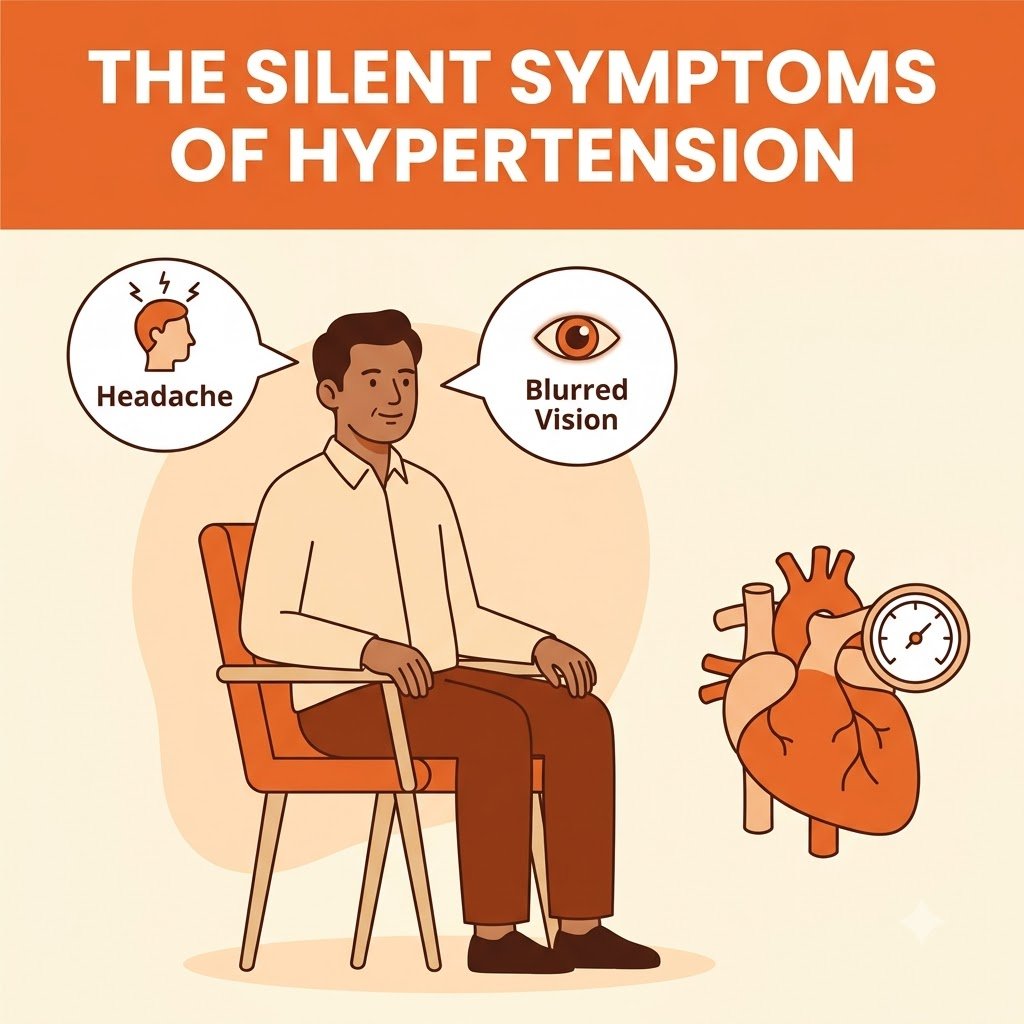
Most people with hypertension have no noticeable symptoms, particularly in the early stages. This is why hypertension is often discovered during a routine health check rather than because a person feels unwell.
When blood pressure becomes severely high, some people may experience:
- Severe headache
- Chest pain
- Shortness of breath
- Vision changes or blurred vision
- Dizziness
- Weakness or numbness
- Difficulty speaking
- Nosebleeds (can occur, but are not a reliable sign of hypertension)
It is important not to assume that a headache or dizziness automatically means you have high blood pressure. Chest pain, shortness of breath, vision changes, weakness or numbness, or difficulty speaking are particularly concerning when they occur with very high blood pressure. Seek emergency medical care immediately if these symptoms occur.
What Causes Hypertension? Risk Factors and Causes
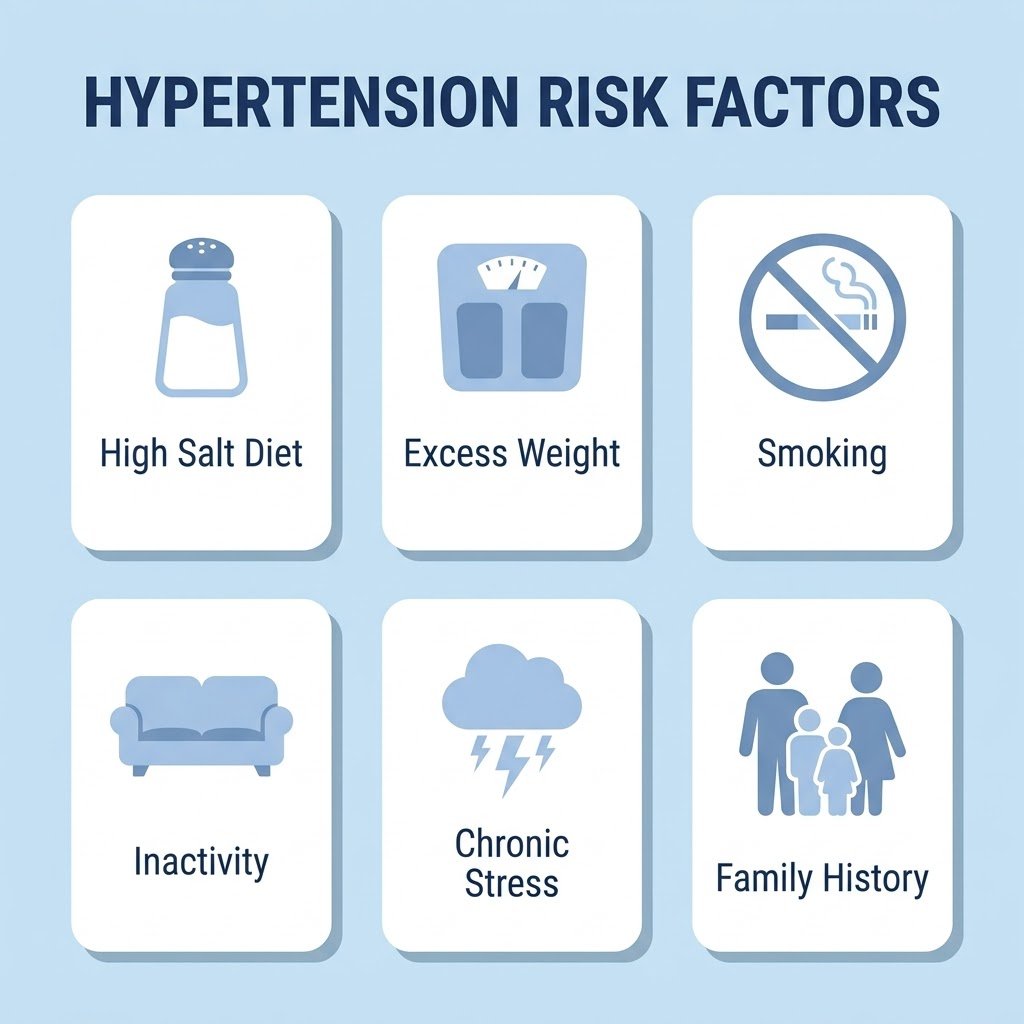
There is usually no single reason why a person develops primary hypertension. Several factors can increase the risk:
- High-sodium diet — eating too much salt can contribute to high blood pressure
- Physical inactivity — a sedentary lifestyle increases cardiovascular risk
- Excess weight — overweight and obesity can increase strain on the cardiovascular system
- Family history — hypertension can run in families
- Smoking and tobacco use — damages blood vessels and increases cardiovascular risk
- Excessive alcohol consumption
- Age — blood pressure risk generally increases with age
- Poor sleep
- Long-term stress
The WHO hypertension fact sheet lists older age, genetics, overweight or obesity, physical inactivity, high-salt diets and alcohol use among the most important risk factors.
Causes of secondary hypertension may include kidney disease, hormonal disorders, obstructive sleep apnea, certain prescription or over-the-counter medicines, and other conditions affecting blood vessels or hormone balance. If blood pressure becomes unusually high or difficult to control, your doctor may investigate whether an underlying cause is present.
How Is Hypertension Diagnosed?
Hypertension should not usually be diagnosed from one isolated reading. A healthcare professional may use multiple blood pressure readings taken on different days, your medical and family history, a physical examination, blood tests, urine tests, and an ECG or other tests when appropriate.
The purpose is not only to confirm high blood pressure but also to look for possible underlying causes and signs of cardiovascular or organ damage.
For a detailed explanation of blood pressure numbers and categories, see our Blood Pressure Range: Normal, High & Low BP Levels guide, or the American Heart Association’s guide to understanding blood pressure readings.
How to Measure Blood Pressure at Home
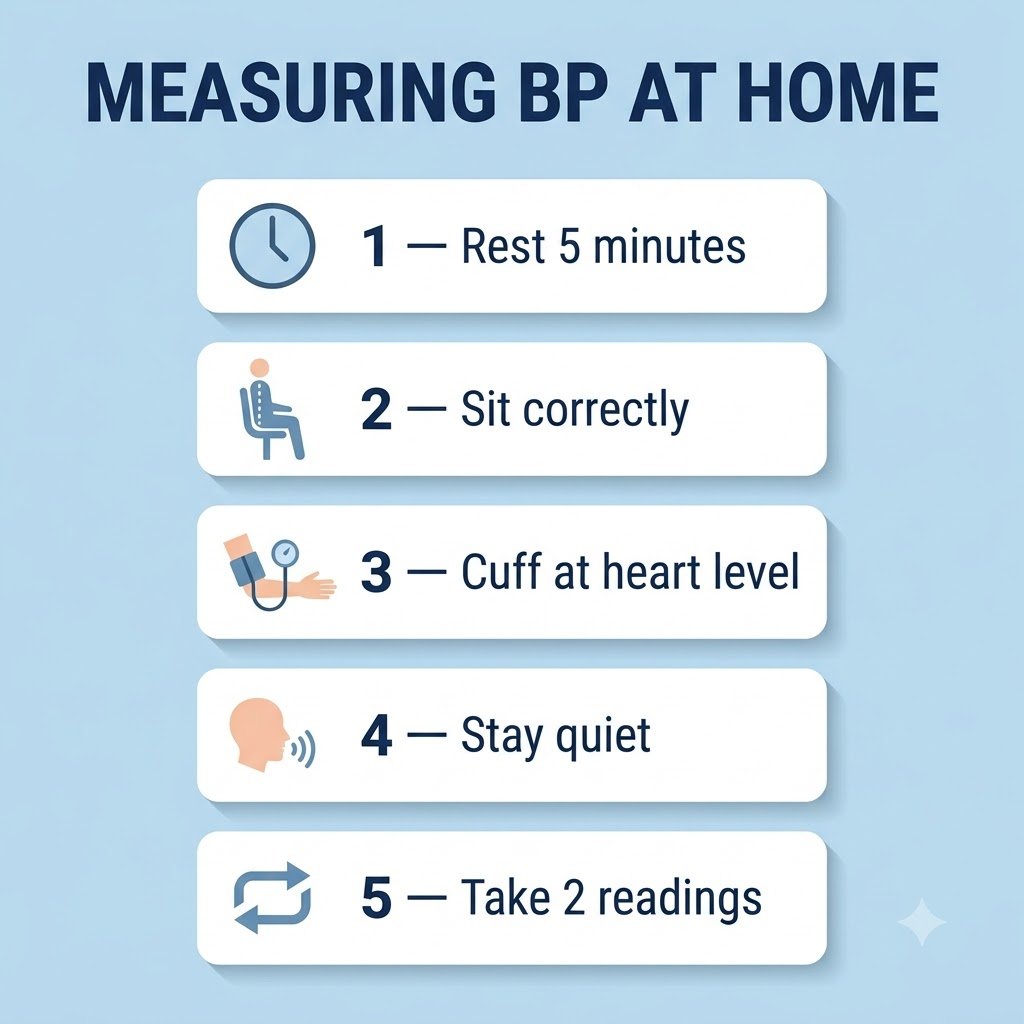
Correct measurement technique is important because inaccurate measurements can make blood pressure appear higher or lower than it actually is. For a more reliable home blood pressure reading:
- Avoid exercise, smoking and caffeine for about 30 minutes beforehand
- Empty your bladder before measuring
- Sit quietly for at least 5 minutes
- Keep your back supported and both feet flat on the floor
- Rest your arm on a table so the cuff is approximately at heart level
- Place the cuff on bare skin rather than over clothing, using the correct cuff size
- Do not talk while the measurement is being taken
- If the first reading is unexpectedly high, take another reading after a short rest
- Keep a record of your readings to discuss with your healthcare professional
A single blood pressure reading is only a snapshot. Recording readings over time can help your doctor understand your blood pressure pattern.
How Is Hypertension Treated?
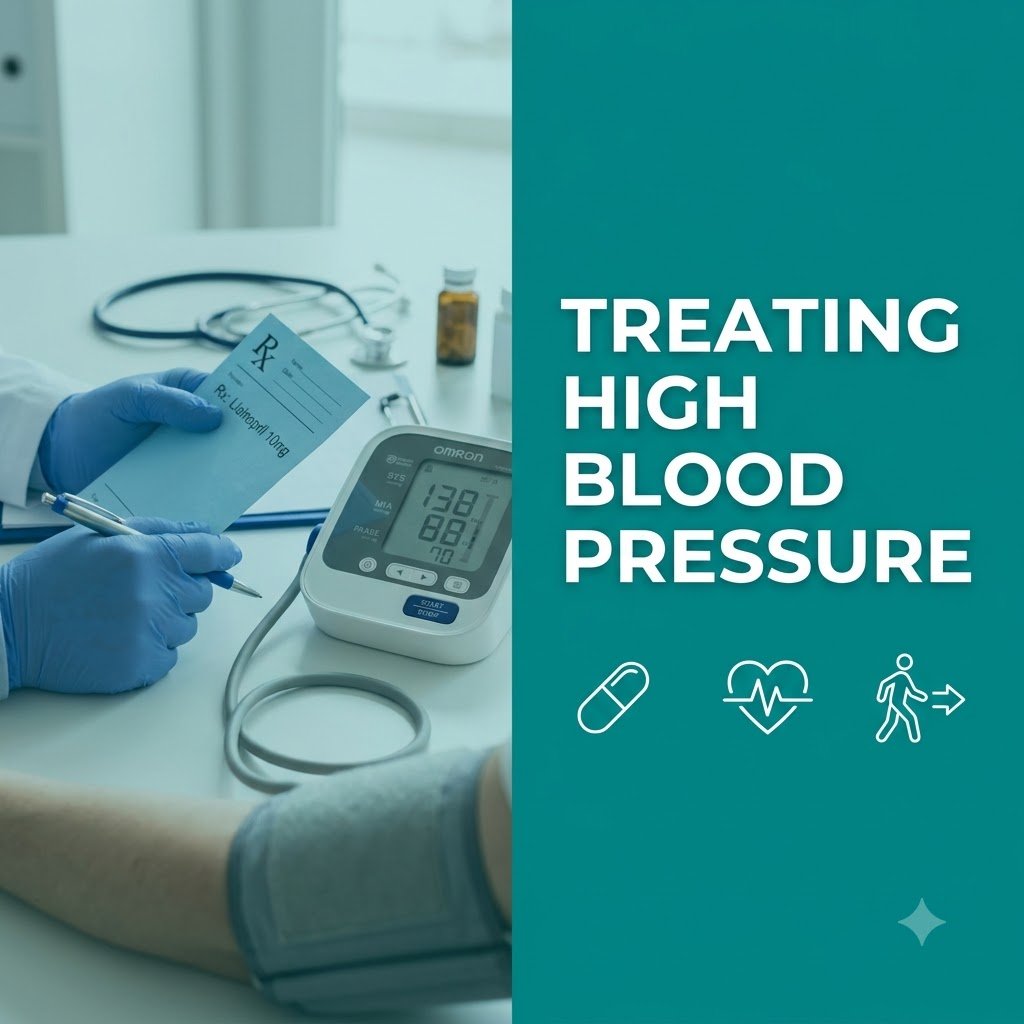
Treatment depends on your blood pressure level, cardiovascular risk, age, other health conditions and whether an underlying cause has been identified. Treatment may include lifestyle changes, medication, or both.
Lifestyle changes
- Reducing salt and sodium intake
- Eating more fruits and vegetables
- Choosing whole grains and healthier protein sources
- Maintaining a healthy weight
- Getting regular physical activity
- Limiting alcohol
- Avoiding tobacco
- Managing stress
- Getting adequate sleep
Hypertension medications
Doctors may prescribe medicines to lower blood pressure when lifestyle changes alone are not sufficient. Commonly used blood pressure medication classes include ACE inhibitors, Angiotensin receptor blockers (ARBs), Calcium channel blockers, and Diuretics. Beta-blockers may also be prescribed in certain situations, particularly when a person has other cardiovascular conditions.
The right medication or combination depends on factors such as blood pressure level, age, kidney function, diabetes or cardiovascular risk, other medical conditions, other medicines being taken, and possible underlying causes. Your doctor should decide which medication is appropriate for you.
Never stop, start or change prescribed hypertension medication on your own, even if your blood pressure improves or you feel completely well. If your doctor has prescribed BP medicines, HealthPartner India can assist with medicine ordering through WhatsApp.
Regular monitoring
Regular blood pressure monitoring helps determine whether treatment is working and whether changes are needed. Your doctor may recommend monitoring at home, at a clinic, or both. For more information, see the CDC’s guide to high blood pressure.
Can Hypertension Be Cured?
Primary hypertension usually does not have one underlying cause that can simply be cured. However, it can often be controlled effectively through lifestyle changes, regular monitoring and medication when needed.
Secondary hypertension may improve significantly when its underlying cause is identified and treated. Even if your blood pressure returns to a healthy range, do not stop prescribed medication without talking to your doctor first.
Hypertension Diet: What to Eat and Avoid
Diet plays an important role in preventing and managing high blood pressure.
Foods to favor: fruits and vegetables, potassium-rich foods such as bananas, spinach and sweet potatoes, whole grains, low-fat dairy products, fish and lean protein, nuts and seeds, beans and other legumes.
A DASH-style eating pattern (Dietary Approaches to Stop Hypertension) emphasizes fruits, vegetables, whole grains, low-fat dairy, legumes, nuts and healthier protein sources.
Foods to limit: excess salt and sodium, pickles, papads, namkeen and packaged snacks, processed and fried foods, foods high in saturated fat, excess sugar and refined carbohydrates, and alcohol.
How much salt is too much? WHO recommends that adults consume less than 5 grams of salt per day, equivalent to less than 2 grams of sodium per day. This includes salt already present in packaged and processed foods, not just the salt added during cooking.
If you are also managing diabetes, our Diet Chart for Diabetic Patients provides additional guidance on healthy meal choices.
Hypertension Management: Exercise and Daily Habits
Alongside diet and medication, everyday habits can make an important difference to blood pressure control:
- Stay physically active — regular moderate activity, such as brisk walking, on most days of the week, according to your doctor’s advice
- Maintain a healthy weight — even gradual, sustainable weight loss can benefit blood pressure if you’re overweight
- Get enough sleep — poor or inadequate sleep can negatively affect cardiovascular health
- Manage stress — deep breathing, meditation, yoga, and relaxation exercises may help
- Avoid tobacco — smoking damages blood vessels and increases cardiovascular risk
- Keep monitoring — continue recommended monitoring and follow-up appointments even once your blood pressure is controlled
Hypertension in India
Hypertension is an important public-health concern in India. Because high blood pressure can remain unnoticed for years, regular screening is important even when you feel healthy.
Practical ways to support healthy blood pressure include reducing salt in everyday meals, limiting pickles, papads, namkeen and highly processed foods, eating more vegetables and fruits, staying physically active, maintaining a healthy weight, avoiding tobacco, limiting alcohol, taking prescribed medicines consistently, and checking blood pressure regularly.
The WHO India hypertension programme emphasizes early detection, regular monitoring, healthy lifestyle measures and continued treatment to improve blood pressure control nationally.
World Hypertension Day
World Hypertension Day is observed every year on May 17. The day aims to increase awareness about high blood pressure, encourage regular blood pressure checks, and promote better prevention and control. It’s an important reminder to know your blood pressure numbers, especially because hypertension often causes no noticeable symptoms.
Complications of Untreated Hypertension
Left uncontrolled over the long term, hypertension puts continuous strain on blood vessels and organs, increasing the risk of heart attack, stroke, heart failure, kidney damage or kidney failure, vision problems (hypertensive retinopathy), peripheral artery disease, and cognitive decline in some people.
The risk develops over time, which is why hypertension needs attention even when a person feels completely healthy. Hypertension also frequently occurs alongside other conditions such as diabetes, increasing overall cardiovascular risk.
When Should You See a Doctor?
Talk to a healthcare professional if:
- Your blood pressure readings are repeatedly 140/90 mmHg or higher
- You have risk factors for hypertension and haven’t had your blood pressure checked recently
- You’ve been diagnosed with hypertension but your readings remain high
- Your doctor has prescribed treatment but your blood pressure isn’t reaching the recommended target
- You have persistent or concerning symptoms
- You are unsure how to monitor your blood pressure correctly
What if your BP is above 180/120? Sit quietly and wait at least one minute, then take another measurement. If it remains above 180/120 mmHg, contact a healthcare professional promptly. If you also have chest pain, shortness of breath, weakness or numbness, vision changes, difficulty speaking or other severe symptoms, seek emergency medical care immediately. Do not ignore severe symptoms simply because you have not previously been diagnosed with hypertension.
If your blood pressure is unusually low instead, see MedlinePlus’s guide to low blood pressure (hypotension) for general information.
Frequently Asked Questions
What is hypertension? Hypertension, or high blood pressure, is a condition in which blood pressure remains higher than recommended over time. WHO defines hypertension in adults as systolic blood pressure of 140 mmHg or higher and/or diastolic blood pressure of 90 mmHg or higher, confirmed on measurements taken on different days.
What are the main types of hypertension? The main types include primary (essential) hypertension, which develops gradually without one single identifiable cause, and secondary hypertension, which results from an identifiable underlying condition or medication. Other classifications include isolated systolic and resistant hypertension.
What are the symptoms of hypertension? Most people with hypertension have no noticeable symptoms, particularly in the early stages. When blood pressure becomes severely high, some people may experience severe headache, chest pain, shortness of breath, vision changes, dizziness, weakness or difficulty speaking.
What causes hypertension? Risk factors include high salt intake, physical inactivity, excess weight, family history, age, tobacco use, excessive alcohol consumption and poor sleep. Secondary hypertension can result from conditions such as kidney disease, hormonal disorders and obstructive sleep apnea.
How is hypertension diagnosed? Hypertension is generally assessed using multiple blood pressure readings rather than a single measurement. A healthcare professional may also review your medical history, perform a physical examination and order blood, urine or other tests when appropriate.
What blood pressure is considered hypertension? WHO defines hypertension in adults as systolic blood pressure of 140 mmHg or higher and/or diastolic blood pressure of 90 mmHg or higher, confirmed on measurements taken on two different days. Other clinical guidelines use different categories and thresholds, so your doctor may use a different classification.
Can hypertension be cured? Primary hypertension is generally managed rather than cured. Healthy lifestyle changes and medication when needed can help control blood pressure. Secondary hypertension may improve when its underlying cause is treated.
What medications are used to treat hypertension? Common medication classes include ACE inhibitors, ARBs, calcium channel blockers and diuretics. Beta-blockers may also be prescribed in certain situations. The appropriate medicine depends on your health, blood pressure, other medical conditions and risk factors.
What happens if hypertension is left untreated? Long-term uncontrolled hypertension can increase the risk of heart attack, stroke, heart failure, kidney damage, vision problems and other cardiovascular complications.
Is hypertension the same as a high blood pressure reading? Not exactly. A single high reading does not necessarily confirm hypertension. Diagnosis generally involves repeated measurements and assessment by a healthcare professional.
Can lifestyle changes alone control hypertension? Lifestyle changes such as reducing salt intake, maintaining a healthy weight, exercising regularly, avoiding tobacco and following a healthy diet can significantly help blood pressure control. However, some people also require medication. Do not stop prescribed medication without speaking to your doctor.
How can I measure my blood pressure correctly at home? Sit quietly for at least five minutes, keep your back supported and feet flat, rest your arm at heart level and place the cuff correctly on your bare upper arm. Avoid caffeine, smoking and exercise for about 30 minutes before measuring, and do not talk during the reading.
Key Takeaways
- Hypertension means persistently high blood pressure.
- WHO defines hypertension in adults as 140/90 mmHg or higher, confirmed on different days.
- Different clinical guidelines use different blood pressure categories and thresholds.
- Hypertension is often silent, so regular blood pressure checks are important.
- Primary hypertension develops gradually without one single identifiable cause.
- Secondary hypertension is caused by an identifiable condition or medication.
- Lifestyle changes can significantly improve blood pressure control.
- Some people also need prescription hypertension medication.
- Never stop or change BP medication without medical advice.
- A reading above 180/120 mmHg requires prompt attention, particularly if it remains high.
- Very high blood pressure accompanied by chest pain, shortness of breath, weakness, vision changes or difficulty speaking requires emergency medical care.
- Regular monitoring, a healthy diet, physical activity and appropriate treatment can help reduce the long-term risks associated with hypertension.
Need Help With a BP Check-Up or Prescribed Medicines?
HealthPartner India can assist with blood pressure test bookings and ordering prescribed medicines. Chat with HealthPartner India on WhatsApp for medicine ordering and health-test booking support. You can also explore the HealthPartner India homepage for more health information and guides.
Medical Disclaimer: This article is intended for general health information and education only. It does not replace diagnosis, treatment or advice from a qualified healthcare professional. Blood pressure targets and treatment decisions may vary depending on your age, health conditions, pregnancy status, medications and other individual risk factors. Do not start, stop or change blood pressure medication without consulting your doctor. Seek urgent medical care for severe symptoms or very high blood pressure.